Discover the best cenotes in Mexico with this expert guide. Explore top locations, activities, travel tips, and when to visit.
Best Cenotes in Mexico: The Ultimate Travel & Adventure Guide
Introduction: Discover the Magic of Mexico’s Cenotes
When travelers search for the best cenotes in Mexico, they are looking for more than just swimming spots—they seek unique природные wonders shaped over thousands of years. Cenotes are natural sinkholes filled with crystal-clear freshwater, primarily found in the Yucatán Peninsula. According to insights commonly highlighted by adventure platforms like MExplor.co, cenotes offer a perfect blend of nature, culture, and adrenaline.
From hidden jungle pools to vast underground cave systems, these formations provide unforgettable experiences for swimmers, divers, and explorers alike.

What Makes the Best Cenotes in Mexico So Special?
Geological and Cultural Importance
Cenotes were formed when limestone bedrock collapsed, exposing groundwater beneath. The ancient Maya considered them sacred portals to the underworld (Xibalba), making them historically and spiritually significant.
Key Benefits of Visiting Cenotes
Visiting cenotes offers a unique and refreshing experience that goes far beyond traditional beach activities. These natural wonders provide an فرصة to connect with nature in a serene and visually stunning environment, making them a must-visit for travelers seeking something truly special.
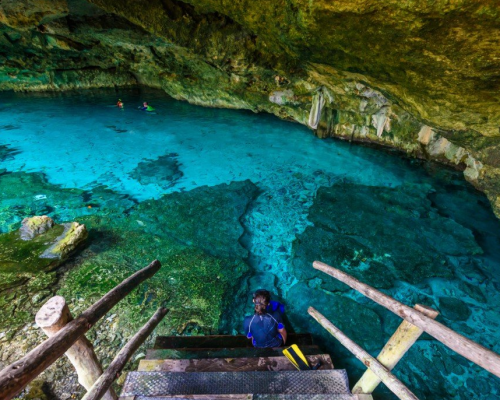
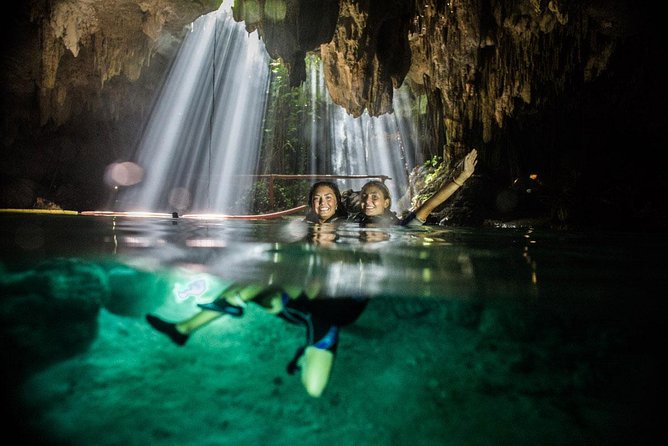
The crystal-clear freshwater found in cenotes often provides exceptional visibility, ranging from 20 to 100 meters, allowing visitors to fully appreciate the intricate underwater landscapes. Their cave and cavern formations create dramatic and otherworldly settings, enhanced by natural light filtering through openings above, resulting in unforgettable visual effects.
Cenotes also serve as a refreshing alternative to the ocean, offering calm and cool waters that are perfect for relaxation and exploration. In addition, they are ideal for eco-tourism and sustainable travel, as many are carefully preserved to protect their delicate ecosystems.
For those who enjoy photography and exploration, cenotes provide endless opportunities to capture breathtaking images and experience the natural beauty of the region from a completely different perspective.

Top Best Cenotes in Mexico You Must Visit
Below is a curated list inspired by expert travel insights similar to those found on MExplor:
| Cenote Name | Ubicación | Type | Best For |
| Dos Ojos | Tulum | Cave | Scuba diving, snorkeling |
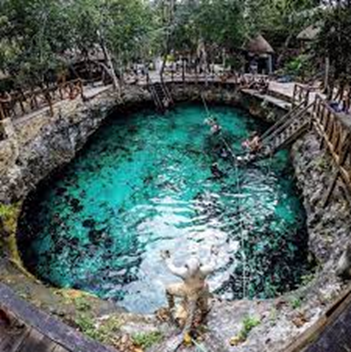
| Ik Kil | Chichén Itzá | Open | Swimming, photography |
| Gran Cenote | Tulum | Semi-open | Families, snorkeling |
| Calavera | Tulum | Open | Adventure, jumping |
| Azul | Playa del Carmen | Open | Relaxation, swimming |
Main Activities in the Best Cenotes in Mexico
Cenotes in Mexico offer a diverse range of activities that cater to both relaxation and adventure, making them ideal for travelers of all experience levels. Each cenote provides a unique setting where visitors can explore crystal-clear waters and breathtaking natural formations.
Snorkeling and Swimming
Snorkeling and swimming are perfect for beginners, as cenotes typically feature calm waters and exceptional visibility. This allows visitors to comfortably explore the underwater environment while observing small fish, occasional turtles, and impressive rock formations that create a serene and immersive experience.
Scuba Diving in Cenotes
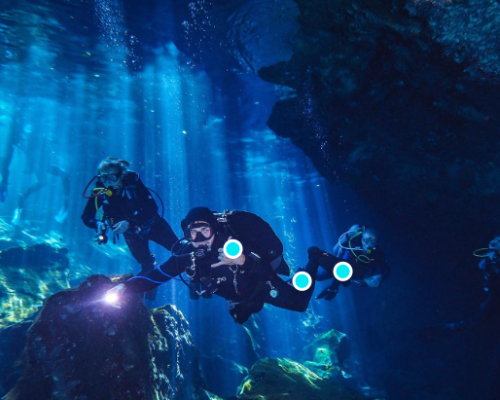
For those seeking a more advanced and unforgettable adventure, scuba diving in cenotes is considered a world-class experience. Diving in famous systems such as Dos Ojos reveals extraordinary underground landscapes filled with stalactites and stalagmites formed over thousands of years. Divers can also witness the fascinating halocline effect, where saltwater and freshwater layers mix, as well as stunning beams of light that penetrate through cavern openings, creating a surreal atmosphere.
Cliff Jumping and Adventure
For thrill-seekers, certain cenotes offer exciting opportunities for cliff jumping and adrenaline-filled experiences. Locations like Cenote Calavera feature natural platforms where visitors can safely jump into the refreshing waters below, adding an element of excitement and adventure to the overall cenote experience.ping platforms for adrenaline seekers.

Best Time to Visit Cenotes in Mexico
Seasonal Comparison Table
| Season | Months | Pros | Cons |
| Dry Season | Nov – April | Clear water, less rain | More tourists |
| Shoulder | May – June | Fewer crowds, good weather | Slight heat increase |
| Rainy Season | July – Oct | Lush scenery, fewer crowds | Possible reduced visibility |
Weather and Conditions to Consider
Understanding the weather and environmental conditions can help you make the most of your cenote experience. Temperatures in the region typically range from 24°C to 32°C, creating a warm and inviting atmosphere throughout the year, while the water temperature remains pleasantly refreshing at around 24°C. Humidity levels can be high, especially during the summer months, which adds to the tropical feel of the region.
Occasional rain may slightly affect water clarity, but it rarely diminishes the overall experience, as cenotes maintain their natural beauty and unique appeal regardless of minor weather changes.
Practical Tips for Visiting the Best Cenotes in Mexico
Proper preparation can significantly enhance your visit and ensure a safe, enjoyable, and respectful experience in these natural environments. Bringing biodegradable sunscreen is essential, as many cenotes require visitors to rinse off before entering in order to protect the ecosystem. Water shoes are highly recommended due to potentially slippery surfaces, and snorkel gear can add extra value to your exploration, even though it is optional.
Carrying cash is also advisable, as many cenotes charge entrance fees and may not accept cards. Visiting early in the morning is one of the best strategies to avoid crowds and enjoy a more peaceful atmosphere. Respecting local rules and preserving the delicate ecosystem is crucial, as these environments are highly sensitive and take years to maintain.
For those interested in more advanced experiences such as cave diving, hiring certified guides is strongly recommended to ensure safety and proper guidance. It is also important to avoid touching rock formations, as they take thousands of years to develop and can be easily damaged, impacting the natural heritage of these extraordinary places.
User Experience: What to Expect
Visiting cenotes is often described as a truly magical and immersive experience that leaves a lasting impression on travelers. Many visitors highlight the sense of serenity and wonder they feel, often referring to it as a once-in-a-lifetime moment that stands apart from typical tourist activities. Compared to crowded beaches, cenotes offer a more intimate and peaceful environment, allowing for a deeper connection with nature.
Whether you find yourself floating beneath jungle vines or exploring the depths of underground caves, each cenote presents a unique atmosphere that blends tranquility with subtle adventure, creating a memorable and personal experience.
Why Cenotes Are Essential in Your Mexico Travel Itinerary
Exploring cenotes is not just another activity to check off your list; it is an opportunity to connect with both nature and history in a meaningful way. These natural formations offer a refreshing contrast to beaches and resorts, providing a balance of relaxation, exploration, and cultural richness. Including cenotes in your travel itinerary allows you to experience a different side of Mexico, one that is deeply rooted in natural beauty and timeless wonder.
Experience the Best Cenotes in Mexico

If you’re planning a trip to the Yucatán Peninsula, visiting cenotes should be at the top of your list. With their crystal-clear waters, rich history, and diverse experiences, they represent one of Mexico’s most extraordinary natural treasures.
From relaxing swims to advanced cave diving, the best cenotes in Mexico offer something for every type of traveler—making them an unforgettable highlight of any journey.