

Discover cenote Playa del Carmen diving, top sites, conditions, and expert tips for an unforgettable underwater experience in Mexico.
Cenote Playa del Carmen Diving: The Ultimate Guide
Introduction to Cenote Playa del Carmen Diving
Cenote Playa del Carmen diving is one of the most unique underwater experiences in the world, attracting divers from all levels who want to explore crystal-clear freshwater caves and dramatic geological formations. Located near Playa del Carmen in the heart of the Riviera Maya, these cenotes are part of an extensive underground river system formed over thousands of years.
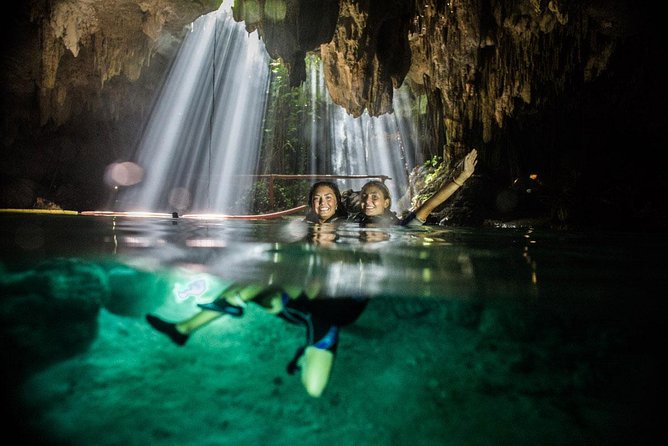
Unlike traditional ocean diving, cenote diving offers surreal visibility, light beams filtering through openings above, and a tranquil environment that feels almost otherworldly. For both beginners and experienced divers, it represents a completely different perspective of the underwater world.
Why Cenote Playa del Carmen Diving Is So Special
What makes cenote Playa del Carmen diving stand out is the combination of geological beauty, water clarity, and unique diving conditions. The water is naturally filtered through limestone, often providing visibility of over 100 meters, which is rare in most diving environments.
The experience is less about marine life and more about the stunning formations such as stalactites and stalagmites, as well as the famous halocline effect where freshwater and saltwater meet, creating a visual distortion that fascinates divers. The silence and stillness inside cenotes create a peaceful and almost meditative diving experience that cannot be replicated in the ocean.

Top Cenotes for Diving Near Playa del Carmen
Several cenotes near Playa del Carmen are considered world-class diving locations due to their accessibility and breathtaking features. Among the most popular is Cenote Dos Ojos, known for its extensive cave system and stunning light effects. Another favorite is Gran Cenote, which offers a mix of open water and cavern zones ideal for beginners. Cenote Angelita stands out for its unique underwater “cloud” effect caused by hydrogen sulfide layers, creating an almost mystical atmosphere.
Each cenote provides a distinct diving experience, allowing divers to explore different types of formations, depths, and lighting conditions within the same region.
Cenote Diving vs Ocean Diving: Key Differences
| Feature | Cenote Diving | Ocean Diving |
|---|---|---|
| Water Type | Freshwater | Saltwater |
| Visibility | Extremely high (often 100m+) | Moderate (10–30m typical) |
| Marine Life | Minimal | Abundant |
| Environment | Caverns and caves | Reefs, open water |
| Difficulty Level | Beginner to advanced (guided) | All levels |
| Unique Feature | Light beams, rock formations | Coral reefs, fish species |
Cenote Playa del Carmen diving offers a more visual and atmospheric experience compared to the biodiversity-focused ocean dives.
User Experience: What to Expect While Diving
Diving in cenotes near Playa del Carmen is often described as entering another world. As you descend into the water, you immediately notice the clarity and stillness, followed by dramatic light rays penetrating the surface and illuminating the rock formations.
Divers usually follow a certified guide through safe cavern routes, ensuring both safety and an optimal experience. The dives are calm, with little to no current, making them ideal for those seeking a relaxed but visually stunning underwater journey. While marine life is limited, you may occasionally encounter small fish, turtles near entrances, or bats in overhead caves, adding to the unique ecosystem.
Best Time for Cenote Playa del Carmen Diving
| Season | Months | Conditions | Recommendation |
|---|---|---|---|
| Dry Season | Nov – Apr | Clear skies, optimal light beams | Best time for photography |
| Warm Season | May – Aug | Warmer temperatures | Great for comfort |
| Rainy Season | Sep – Oct | Occasional rain | Fewer crowds, same water clarity |
Unlike ocean diving, cenote conditions remain stable year-round, making cenote Playa del Carmen diving possible in any season. However, sunlight intensity during the dry season enhances the visual effects inside the caves.
Climate and Diving Conditions
The Riviera Maya region maintains a tropical climate with average temperatures between 24°C and 32°C. The water temperature in cenotes typically stays around 24–26°C, which is slightly cooler than the ocean and often requires a wetsuit for comfort.
Since cenotes are sheltered environments, divers are not affected by waves or strong currents, which makes them an excellent option even when ocean conditions are not ideal.
Practical Tips for Cenote Playa del Carmen Diving
To fully enjoy cenote Playa del Carmen diving, preparation is key. Divers should book with certified dive operators who specialize in cenote tours and provide experienced guides familiar with each system. It is recommended to use eco-friendly sunscreen or avoid it altogether to protect the delicate ecosystem. Proper buoyancy control is essential to avoid disturbing sediments and to maintain visibility for the group.
Choosing the right cenote based on your experience level is also important, as some are better suited for beginners while others are more advanced cavern or cave dives. Arriving early in the day can enhance the experience by avoiding crowds and capturing the best natural lighting conditions.
A Unique Diving Experience in Mexico
Cenote Playa del Carmen diving is more than just a dive; it is an immersive journey into one of the most extraordinary natural environments on Earth. With unmatched water clarity, dramatic geological formations, and a peaceful atmosphere, it offers a completely different perspective compared to traditional ocean diving.
Whether you are a beginner looking for a new adventure or an experienced diver seeking something truly unique, cenote diving in Playa del Carmen delivers an unforgettable experience that combines nature, exploration, and tranquility in a way few places in the world can offer.
