

Few places on Earth offer the serene yet awe-inspiring spectacle of whales gliding through crystal-clear waters. La Paz, nestled along the Sea of Cortez, stands among the most rewarding destinations for whale watching. From gray whales and humpbacks to juvenile whale sharks, the region is a lively stage for marine grandeur. Having witnessed these creatures in countless marine environments, I’ve found La Paz refreshingly authentic—less crowded, deeply respectful, and extraordinarily rewarding.
During the whale watching season, which runs from November to April (with peak activity between December and March), these calm waters come alive. Migrating whales converge to mate, give birth, and raise their young, while whale shark juveniles glide through plankton-fed lanes. Whether you’re drawn by breaches of gray whales or the gentle glide of whale sharks, La Paz offers an intimate, immersive marine experience.
La Paz Tours
Dive Sites & Best Seasons
| Species / Experience | What You’ll See | Best Season |
|---|---|---|
| Gray Whales | Mothers teaching calves, breaches, and spyhopping | December – March |
| Humpback Whales | Acrobatic breaches and haunting songs | January – April |
| Blue Whales & Other Megafauna | Distant giants like blue, fin, and orcas appear occasionally | March – April |
| Whale Sharks (juveniles) | Filter-feeding alongside boats, clear visibility | October – April (peak Dec–Mar) |
Marine Life & Conditions
The waters off La Paz are a crossroads of marine life. Gray whales travel thousands of kilometers to nest and nurture their calves—pristine, sheltered bays provide a safe haven. Humpbacks contribute thrilling performances above and below the surface, while whale sharks, rather than sharks, drift gently, filtering plankton in juvenile abundance. Occasionally, even blue whales, orcas, and other deep-water species grace the horizon.
Weather and visibility are generally favorable. The calm dry season—November through April—brings mild temperatures and glassy seas ideal for observation. Dawn and early morning excursions often provide the best lighting and smooth conditions.

Tours in La Paz
True appreciation of these marine giants comes with responsibility. Whale-watching regulations in La Paz are designed to protect both visitors and wildlife—limiting boat numbers, enforcing safe distances, and strictly prohibiting feeding or touching.
For example, whale sharks are observed only when a minimum of seven individuals have been sighted over consecutive days. Tours are halted or delayed if populations decline. These guidelines ensure encounters remain sustainable and respectful.
La Paz Dive Spots
Unlike more commercialized regions, La Paz retains an authentic, peaceful charm even as its marine opportunities soar in popularity. Here, observational tours feel genuine—not rushed. Between dives or cruises, you might stroll the calm Malecón, sample fresh seafood, or visit the Whale Museum, where 80 cetacean skeletons tell stories of conservation and wonder.
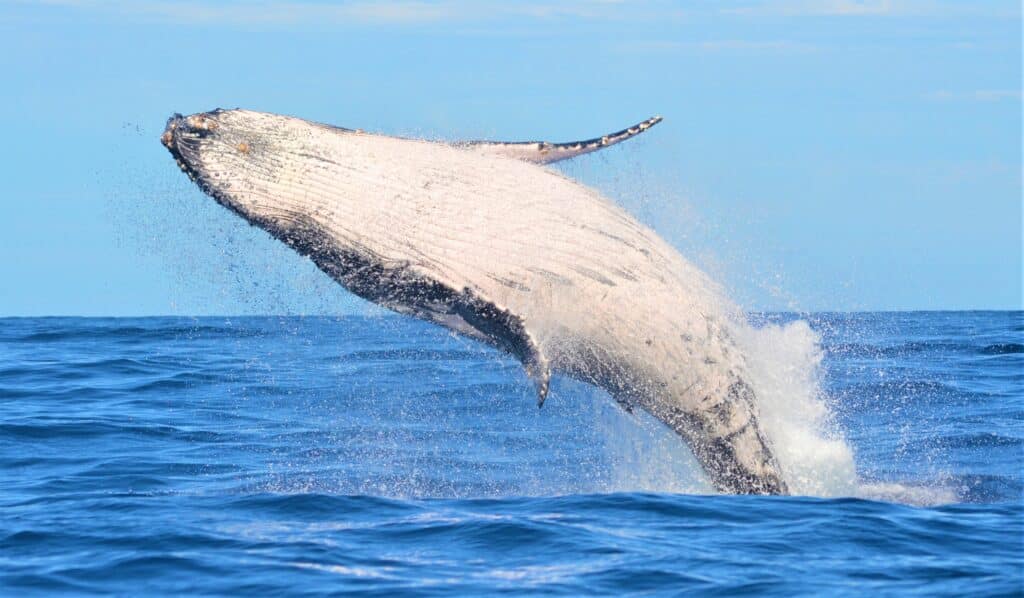
Whale watching in La Paz is far more than simply spotting majestic creatures—it’s a deeply humbling and grounding experience. As you float alongside a nursing gray whale, witness a humpback’s breach, or drift beside a lumbering whale shark, you feel connected to a world far greater than your shores. Here, nature asks you simply to observe, respect, and marvel.
La Paz stands as a testament to thoughtful tourism and marine stewardship. Its clear waters, gentle giants, and respectful practices combine into an encounter that stays with you long after the ocean goes still. For anyone seeking an immersive, authentic marine adventure, La Paz is not just a destination—it’s an invitation to reconnect with the soul of the sea.
