

Cozumel Dive Trips: Two-Tank Diving Packages for Certified Divers
Cozumel is one of Mexico’s most recognized scuba diving destinations. Located in the Mexican Caribbean, directly across from Playa del Carmen, the island is known for clear water, colorful coral formations, dramatic walls and the drift diving conditions that have attracted divers from around the world.
A Cozumel dive trip gives certified divers the opportunity to explore protected Caribbean reefs while enjoying the relaxed atmosphere of one of Mexico’s most distinctive islands.
Whether you are visiting Cozumel for a dedicated diving vacation or adding a dive day to a broader Riviera Maya itinerary, a two-tank package offers a practical way to experience more than one underwater environment during the same excursion.
Why Choose Cozumel for Scuba Diving?
Cozumel is especially well suited to certified divers because many of its reefs are located along the western and southwestern sides of the island, where conditions are generally more protected than on the exposed eastern coast.
The island is known for:
- Clear Caribbean water
- Drift diving
- Coral walls
- Large sponge formations
- Reef tunnels and swim-throughs
- Tropical fish
- Sea turtles
- Eagle rays
- Nurse sharks
- Healthy marine environments
- Dive sites for different certification levels
Cozumel also works well as part of a longer Mexican Caribbean vacation. Divers can combine the island with Playa del Carmen, Cancun, Puerto Morelos, cenote diving or other Riviera Maya experiences.
Cozumel Two-Tank Dive Package
A two-tank Cozumel dive package allows certified divers to complete two separate dives during one boat excursion.
The package is designed for travelers who already hold a recognized recreational scuba certification and want to explore two of the island’s reef environments with a professional guide.
A typical experience lasts approximately four hours, although the final duration can vary depending on the dive sites, boat logistics, currents and surface interval.
Package Inclusions
The published Cozumel diving experience may include:
- Two scuba tanks
- Two guided dives
- Professional dive guide
- Boat transportation
- Marine park bracelet
- Lunch
- Drinking water
- Small-group experience
- Optional rental equipment, depending on the selected reservation
A 15% deposit may be required to confirm the booking. Divers should verify the current price, equipment policy, meeting location and remaining balance before finalizing the reservation.
Who Can Join the Cozumel Dive Trip?
This experience is designed for certified divers.
Participants should be able to provide a valid certification from a recognized training organization, such as:
- PADI
- SSI
- SDI
- NAUI
- CMAS
- RAID
- Other recognized recreational scuba agencies
The most appropriate dive sites will depend on:
- Certification level
- Number of logged dives
- Date of the most recent dive
- Comfort with currents
- Buoyancy control
- Maximum previous depth
- Weather and ocean conditions
Open Water divers can access many Cozumel reefs, while deeper walls or more demanding sites may require Advanced Open Water certification or equivalent experience.
What Makes Cozumel Diving Different?
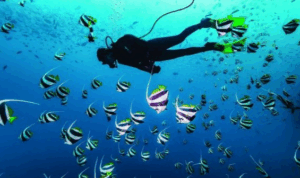
Cozumel is best known for drift diving.
Rather than swimming against the current, divers generally descend, allow the current to carry them along the reef and surface at a different location, where the boat collects them.
This style of diving can feel calm and effortless when conditions are appropriate. It also allows divers to cover more of the reef without using excessive air or energy.
However, drift diving requires:
- Good buoyancy
- Awareness of the group
- Controlled descents
- Clear communication
- Attention to depth and air consumption
- Comfort making a controlled ascent
- Familiarity with surface signaling equipment
Divers who have not been underwater recently may be asked to complete a refresher or begin at an easier site.
Top Dive Sites in Cozumel
The exact dive sites are selected according to weather, currents, marine park rules and the experience of the group.
Palancar Reef
Palancar is one of Cozumel’s most famous reef systems.
It includes several sections with towering coral formations, channels, pinnacles, sandy areas and swim-throughs. The site is valued for its underwater scenery as much as its marine life.
Depending on the selected section, divers may encounter:
- Large coral structures
- Barrel sponges
- Sea fans
- Tropical fish
- Turtles
- Rays
- Reef passages
- Open blue-water views
Palancar may be divided into several commonly visited areas, including Palancar Gardens, Palancar Caves, Palancar Horseshoe and Palancar Bricks.
Not every section has the same depth or difficulty, so the guide should select the appropriate route for the group.
Santa Rosa Wall
Santa Rosa Wall is one of Cozumel’s best-known wall dives.
The reef edge descends into deeper blue water, creating a dramatic underwater landscape. Divers may move alongside coral ledges, overhangs, sponges and reef formations while the current carries the group along the wall.
Santa Rosa is generally better suited to confident certified divers because of its depth and drift conditions.
Possible sightings include:
- Large sponges
- Sea turtles
- Eagle rays
- Schooling fish
- Moray eels
- Barracuda
- Reef fish
- Coral formations
Columbia Reef
Columbia Reef is known for clear water, large coral structures and impressive underwater landscapes.
Columbia Deep offers walls, coral pinnacles and passages that may be suitable for more experienced divers. Shallower sections can provide a more relaxed experience for Open Water divers.
Divers may see:
- Coral towers
- Swim-throughs
- Sea turtles
- Rays
- Groupers
- Angelfish
- Butterflyfish
- Parrotfish
- Large sponge formations
Punta Sur
Punta Sur is generally considered one of Cozumel’s more advanced diving areas.
The site may include deeper walls, strong currents and famous formations such as the Devil’s Throat. Penetrating enclosed passages or deeper routes requires appropriate certification, experience and local guidance.
This site is not automatically included in standard two-tank packages and should only be selected for divers who meet the necessary requirements.
Paradise Reef
Paradise Reef is closer to San Miguel and can be suitable for easier dives, refresher experiences or night diving.
The area includes several reef sections with coral heads, fish, crustaceans and sandy areas.
It can be a good option for:
- Open Water divers
- Divers returning after a break
- Underwater photographers
- Night divers
- Travelers looking for a relaxed reef dive
Chankanaab Reef
Chankanaab is another accessible site near the island’s developed western coast.
Depending on conditions, divers may encounter reef fish, coral formations, lobsters, rays and other Caribbean species.
Its location and depth profile can make it suitable for a variety of certified divers.
Marine Life in Cozumel
Cozumel’s reefs support a diverse range of Caribbean marine life.
Sightings vary by season, site, current and depth, but divers may encounter:
- Green sea turtles
- Hawksbill turtles
- Eagle rays
- Southern stingrays
- Nurse sharks
- Barracuda
- Groupers
- Moray eels
- Lobsters
- Crabs
- Angelfish
- Butterflyfish
- Parrotfish
- Triggerfish
- Grunts
- Snappers
- Sergeant majors
- Seahorses
- Splendid toadfish
The splendid toadfish is particularly associated with Cozumel and is often sought by divers and underwater photographers.
Wildlife encounters cannot be guaranteed. Responsible dive operators should never chase, touch or feed marine animals to create an interaction.
Cozumel Diving for Underwater Photographers
Cozumel is a strong destination for underwater photography because of its visibility, coral formations, walls and colorful marine life.
Photographers may focus on:
- Wide-angle reef landscapes
- Coral pinnacles
- Sea turtles
- Eagle rays
- Sponges
- Reef fish
- Macro life
- Diver portraits
- Drift-diving scenes
- Natural-light compositions
The current can make photography more challenging. Divers should have good buoyancy and be able to control their position without touching the reef.
A private guide or smaller group may be preferable for photographers who need more time to compose images.
Small-Group Cozumel Dive Trips
Small groups can improve the experience by allowing the guide to monitor divers more closely and adapt the route to their comfort and air consumption.
Benefits may include:
- More personalized attention
- Better communication
- Easier group control
- Less crowding around reef formations
- More flexibility for photographers
- A calmer experience for less active divers
- Better matching of certification and experience levels
Before booking, ask how many divers are assigned to each guide.
Cozumel Dive Trips for Couples
A two-tank dive trip can be added to a romantic or adventure-focused couples vacation.
Couples who are both certified can explore the reefs together and combine diving with other island experiences.
A couples itinerary may include:
- Two-tank dive trip
- Underwater photography
- Snorkeling at El Cielo
- Beach afternoon
- Sunset dinner
- Island road trip
- Visit to San Miguel
- Massage or spa experience
- Additional Riviera Maya activities
If only one person is certified, the non-diving partner may choose a snorkeling excursion, beach club, cultural tour or leisure day.
Multi-Day Cozumel Dive Vacations
Divers who want to explore several reef systems should consider a multi-day package instead of a single excursion.
A longer itinerary allows the operator to choose different sites based on daily conditions and diver experience.
Sample Three-Day Diving Itinerary
| Day | Suggested Experience |
|---|---|
| Day 1 | Easy reef orientation and second shallow drift dive |
| Day 2 | Palancar Reef and Columbia Reef |
| Day 3 | Santa Rosa Wall and a second advanced or photography-focused site |
The actual sequence should be determined by the dive operator.
A multi-day plan can also include:
- Night diving
- Underwater photography
- Nitrox diving
- Advanced training
- Refresher sessions
- Private guide
- Cenote diving on the mainland
- Playa del Carmen reef diving
Cozumel and Cenote Diving Combination
One of the most complete Mexican Caribbean diving itineraries combines Cozumel’s ocean reefs with the freshwater cenotes of the Riviera Maya.
The environments are completely different.
| Cozumel Diving | Cenote Diving |
| Saltwater | Freshwater |
| Drift diving | Cavern diving |
| Coral reefs | Limestone formations |
| Marine life | Stalactites and stalagmites |
| Currents | Comparatively stable water |
| Open ocean | Overhead-style cavern routes |
| Warm Caribbean scenery | Light beams and haloclines |
Most cenote cavern dives require certification, good buoyancy and comfort in enclosed or overhead environments.
Transportation between Cozumel and the mainland must be considered when combining both experiences.
Other Things to Do in Cozumel
Cozumel offers more than scuba diving.
Snorkeling at El Cielo
El Cielo is known for shallow turquoise water and starfish visible across the sandy bottom.
Many excursions combine El Cielo with snorkeling at nearby reef areas. Visitors should observe marine life without touching or removing starfish.
Visit San Miguel de Cozumel
San Miguel is the island’s main town.
Travelers can walk along the waterfront, visit restaurants, shop for local products and experience the more urban side of Cozumel.
Explore San Gervasio
San Gervasio is a Maya archaeological site associated with Ixchel, a Maya deity linked to fertility, medicine and the moon.
It provides a cultural alternative for travelers who want to explore more than the island’s beaches and reefs.
Drive Around the Island
The coastal road allows visitors to explore beaches and viewpoints along the island.
The western coast is more developed and protected, while the eastern side is more exposed to waves and open Caribbean conditions.
Travelers can rent a car, scooter or jeep, although they should consider road conditions, insurance and alcohol restrictions.
Relax at the Beach
A beach afternoon can be added after diving, provided the diver remains hydrated and avoids excessive alcohol.
Some beaches have clubs and services, while others are quieter and less developed.
How to Get to Cozumel
Travelers can reach Cozumel by air or ferry.
Flying to Cozumel
Cozumel International Airport receives selected domestic and international flights.
Flying directly to the island can simplify logistics for travelers planning a dedicated Cozumel vacation.
Ferry from Playa del Carmen
Passenger ferries connect Playa del Carmen with San Miguel de Cozumel.
Schedules, operators and ticket prices can change, so travelers should consult the ferry companies directly before departure.
The crossing generally takes less than one hour, although weather and port activity can affect the trip.
Divers traveling from Cancun, Puerto Morelos or Tulum should leave enough time for ground transportation, ferry check-in and possible delays.
Can You Visit Cozumel for One Day?
Yes. A day trip is possible from Playa del Carmen and other Riviera Maya destinations.
However, combining the ferry, check-in, two dives and return transportation can create a long day.
Travelers should verify:
- Ferry departure times
- Dive center meeting time
- Equipment arrangements
- Return ferry options
- Weather policy
- Luggage storage
- Transportation to the hotel
- Minimum time before flying
Staying at least one night on the island provides more flexibility and reduces the risk of missing a dive because of transportation delays.
Best Time to Dive in Cozumel
Cozumel can be dived throughout the year, but conditions vary by season.
December Through April
This is one of the busiest travel periods.
Visitors can expect comparatively comfortable air temperatures, but dive boats, hotels and ferries may have greater demand.
May Through August
The water is generally warm, and these months can be suitable for diving and underwater photography.
Air temperatures and humidity are usually higher.
September Through November
This period can bring more rain and tropical weather variability.
The Atlantic hurricane season runs from June through November, so travelers should maintain flexible plans and review cancellation policies.
Water Temperature and Visibility
Cozumel generally has warm tropical water.
Exact temperatures vary by season and depth, and some divers may prefer a thin wetsuit even when the water feels warm.
Visibility is frequently one of Cozumel’s strongest features, although it can be affected by:
- Weather
- Wind
- Current
- Rain
- Boat traffic
- Seasonal conditions
- Recent storms
No operator can guarantee a specific visibility range.
What Equipment Is Included?
Equipment policies vary.
Some packages include complete rental gear, while others include only tanks and weights.
Confirm whether the following are included:
- BCD
- Regulator
- Mask
- Fins
- Wetsuit
- Dive computer
- Surface marker buoy
- Weights
- Tanks
- Nitrox
- Torch for night diving
Divers who own a well-fitting mask or dive computer may prefer to bring their personal equipment.
Nitrox Diving in Cozumel
Nitrox may be available for certified Enriched Air divers.
It can be beneficial during multi-day diving because it may reduce nitrogen exposure within the limits of the selected gas mix and dive plan.
Nitrox does not eliminate decompression risk, and divers must:
- Hold the appropriate certification
- Analyze the tank
- Confirm the oxygen percentage
- Set the dive computer correctly
- Observe the maximum operating depth
- Follow conservative dive profiles
Ask whether Nitrox is included or charged separately.
Safety Requirements
Safety should be the main consideration when choosing a Cozumel dive package.
Divers should:
- Present valid certification
- Complete a medical questionnaire
- Disclose relevant health conditions
- Avoid diving while sick or congested
- Avoid alcohol before diving
- Follow the guide’s instructions
- Monitor depth, air and no-decompression limits
- Stay close to the assigned group
- Maintain good buoyancy
- Carry appropriate signaling equipment
- Complete a safety stop
- Leave sufficient time before flying
Divers who have been inactive may be required to complete a refresher.
Flying After Diving
Do not schedule a flight immediately after scuba diving.
Divers should follow the current recommendations of their certification agency, dive computer and operator.
A longer surface interval may be necessary after:
- Multiple dives
- Repetitive diving
- Several consecutive dive days
- Deeper dives
- Decompression-related exposure
It is generally better to leave the final day of a dive vacation free from scuba activities before flying.
Responsible Diving in Cozumel
Cozumel’s reefs are part of a protected marine environment.
Divers should follow responsible practices:
- Do not touch coral
- Do not stand on the reef
- Do not chase turtles or rays
- Do not feed fish
- Maintain neutral buoyancy
- Keep fins away from coral
- Secure gauges and hoses
- Do not collect shells or marine organisms
- Follow marine park regulations
- Use physical sun protection when possible
- Take all waste back to shore
Responsible diving protects the reef and improves the experience for future visitors.
What to Bring
Certified divers should bring:
- Certification card
- Dive log or dive app
- Swimsuit
- Towel
- Rash guard
- Reusable water bottle
- Dry bag
- Personal mask
- Dive computer
- Motion-sickness medication
- Cash for tips or extras
- Change of clothes
- Sun hat
- Light jacket during cooler or windy months
Frequently Asked Questions About Cozumel Dive Trips
Do I need a certification to join the two-tank trip?
Yes. The standard two-tank Cozumel package is intended for certified divers.
Non-certified travelers should book a Discover Scuba Diving program instead.
How long does the experience last?
The published package lasts approximately four hours. Duration may vary according to the boat, dive sites, current and surface interval.
Are two tanks included?
Yes. The package includes two tanks for two guided dives.
Is equipment included?
The service description may include diving equipment, but rental policies can vary. Confirm whether complete equipment is included in the current rate.
Is the marine park fee included?
The published package indicates that the marine park bracelet is included. Confirm this at the time of booking because park policies and fees can change.
Are food and water included?
The current package description includes lunch and water.
How much is the booking deposit?
The published reservation page indicates a 15% deposit. Confirm the current deposit, payment method and balance deadline before booking.
Can Open Water divers join?
Yes, many Cozumel sites are suitable for Open Water divers. The operator will select sites according to certification, experience and conditions.
Can beginners dive at Santa Rosa Wall?
Santa Rosa is generally better for confident certified divers. The guide should evaluate the diver’s certification and recent experience before selecting the site.
Can I choose the exact dive sites?
Divers can communicate their preferences, but the final selection depends on safety, weather, current, marine park regulations and the experience of the group.
Is Cozumel good for underwater photography?
Yes. The visibility, coral formations, marine life and wall scenery make Cozumel a strong destination for underwater photographers.
Can I dive in Cozumel as a day trip from Cancun?
It is possible, but the journey includes ground transportation to Playa del Carmen and a ferry crossing. Staying on the island or in Playa del Carmen is often more practical for an early dive departure.
What happens if the weather is bad?
The captain and dive operator determine whether conditions are safe. The excursion may be moved, rescheduled or canceled according to the operator’s weather and cancellation policy.
Book Your Cozumel Diving Experience
A Cozumel two-tank dive trip offers certified divers a direct introduction to one of the Mexican Caribbean’s most celebrated underwater destinations.
During a single excursion, divers may explore coral walls, drift above reef formations, photograph tropical marine life and experience the exceptional blue-water scenery that defines the island.
For a more complete vacation, the diving experience can be combined with accommodation, ferry transportation, snorkeling, underwater photography, island tours, cenote diving or other Riviera Maya activities.
Choose a package that matches your certification and recent experience, confirm everything included in the price and allow local dive professionals to select the safest and most appropriate sites for the day.
Cozumel is more than a stop on a Caribbean itinerary. For many certified divers, it is the reason to visit.
