

Travel changes when photography becomes one of the main reasons for choosing the destination.
Instead of simply visiting a waterfall, you may want to arrive before sunrise when the light reaches the canyon.
Instead of walking through a market at midday, you may look for the hour when vendors are setting up, streets are less crowded, and softer light reaches the stalls.
Instead of booking a generic wildlife excursion, you may choose a smaller vehicle, longer observation time, and an itinerary designed around animal behavior.
That is the purpose of photography travel tours.
These trips are designed for travelers who want more than sightseeing. They combine destination access with photographic opportunities, timing, local knowledge, and—in many cases—professional instruction.
Photography travel tours can focus on:
- Wildlife
- Birds
- Landscapes
- Street photography
- Culture
- Architecture
- Underwater photography
- Marine wildlife
- Night photography
- Astrophotography
- Adventure photography
- Documentary photography
Some tours last only a few hours.
Others may last several days or even weeks.
Some emphasize instruction.
Others prioritize location access and leave participants more independent.
The right tour can save enormous amounts of planning time while giving photographers access to locations, subjects, light conditions, and cultural experiences that might be difficult to arrange alone.
But not all photography tours are the same.
This guide explains how photography travel tours work, the different types available, what they cost, when to go, what equipment to bring, and how to choose an experience that matches your photography goals.
What Are Photography Travel Tours?
Photography travel tours are organized travel experiences designed specifically around creating photographs.
Unlike standard sightseeing tours, the schedule is often built around:
- Light
- Weather
- Wildlife behavior
- Sunrise
- Sunset
- Seasonal events
- Local culture
- Photography access
A normal tourism itinerary may take travelers to a viewpoint at noon because it fits the bus schedule.
A photography tour may arrive at 5:30 a.m. because that is when the landscape receives the best light.
That difference is fundamental.
Photography travel tours usually combine two elements:
travel logistics
and
photographic opportunity
Depending on the program, professional instruction may also be included.
Who Should Join a Photography Travel Tour?
Photography tours are not only for professional photographers.
They can work for a wide range of travelers.
Beginners
A beginner may benefit from help understanding:
- Camera settings
- Composition
- Light
- Autofocus
- Lens choice
Intermediate Photographers
Intermediate photographers often want better access and stronger creative direction.
They may focus on:
- Storytelling
- Composition
- Lighting
- Portfolio development
Advanced Photographers
Experienced photographers may join tours mainly for:
- Location access
- Wildlife expertise
- Specialized logistics
- Remote destinations
- Small-group shooting
Smartphone Photographers
Some modern photography travel tours also welcome smartphone users.
Photography still depends heavily on:
- Light
- Timing
- Composition
- Perspective
not only expensive equipment.
Photography Travel Tours vs. Regular Tours
A regular tour and a photography tour may visit the same destination but create very different experiences.
| Regular Tour | Photography Travel Tour |
|---|---|
| Designed around sightseeing | Designed around photography |
| Fixed tourism schedule | Light-driven schedule |
| Short stops | Longer shooting time |
| Large groups possible | Often smaller groups |
| Limited technical instruction | Photography guidance may be included |
| Midday visits common | Sunrise/sunset prioritized |
| General guide | Photographer or specialist guide |
| Emphasis on seeing more places | Emphasis on photographing fewer places well |
If photography is one of the main reasons for the trip, the second format may provide much more value.
Photography Tours vs. Photography Workshops
These terms are sometimes used interchangeably, but they can describe different experiences.
Photography Tour
Primary objective:
Access and photographic opportunity
A tour may take participants to locations at the right time while providing some guidance.
Photography Workshop
Primary objective:
Learning
The instructor usually spends more time teaching:
- Camera settings
- Composition
- Editing
- Creative techniques
- Image critique
Photography Expedition
Usually involves:
- Remote destinations
- Longer itineraries
- Specialized logistics
- Adventure
- Difficult access
Some trips combine all three.
Always read the itinerary carefully.
Types of Photography Travel Tours
Photography travel tours can be organized around many photographic subjects.
The most common include:
| Tour Type | Main Subjects | Typical Skills |
|---|---|---|
| Landscape | Mountains, waterfalls, coast | Composition, filters, light |
| Wildlife | Mammals, reptiles | Autofocus, behavior, long lenses |
| Bird photography | Birds in flight, perched birds | Tracking, shutter speed |
| Cultural | People, traditions, festivals | Storytelling, portraits |
| Street | Urban life | Timing, observation |
| Underwater | Marine life, divers | Strobes, buoyancy, color |
| Marine wildlife | Whales, sharks, rays | Action photography |
| Architecture | Historic buildings, cities | Perspective, geometry |
| Night | Cities, landscapes | Tripods, long exposure |
| Astrophotography | Milky Way, stars | Manual exposure, planning |
Landscape Photography Travel Tours
Landscape photography tours often revolve around light rather than activity schedules.
Participants may photograph:
- Mountains
- Waterfalls
- Deserts
- Beaches
- Forests
- Volcanoes
- Lakes
- Canyons
The strongest tours usually include sunrise and sunset sessions.
They may also teach:
- Exposure blending
- Filters
- Long exposures
- Depth of field
- Panorama photography
Landscape tours often require patience.
The group may remain in one location for hours waiting for light rather than constantly moving to new attractions.
Wildlife Photography Tours
Wildlife photography trips require more specialized planning.
Animals do not follow tourism schedules.
Successful tours consider:
- Feeding patterns
- Migration
- Breeding seasons
- Water availability
- Temperature
- Light
- Habitat
Potential subjects include:
- Big cats
- Elephants
- Primates
- Bears
- Reptiles
- Marine mammals
- Tropical wildlife
Longer observation time is particularly important.
A normal safari may drive away once everyone sees the animal.
A photography-focused safari may remain longer to capture behavior.
Bird Photography Tours
Bird photography travel tours are especially popular because bird species vary dramatically by region.
Participants may photograph:
- Toucans
- Parrots
- Hummingbirds
- Kingfishers
- Raptors
- Herons
- Flamingos
- Shorebirds
- Migratory birds
Successful bird photography often depends on:
- Early morning activity
- Long lenses
- Fast autofocus
- Fast shutter speeds
- Knowledge of habitat
Local bird guides can provide enormous value because they understand where specific species are commonly seen.
Travel and Cultural Photography Tours
Cultural photography focuses on people, traditions, places, and everyday life.
Tours may visit:
- Markets
- Villages
- Festivals
- Workshops
- Temples
- Historic neighborhoods
- Food markets
- Cultural events
These trips teach photographers to build a visual story.
Instead of only photographing landmarks, participants learn to capture:
- People
- Details
- Context
- Environment
- Interaction
Respect and consent become especially important when photographing people.
Street Photography Travel Tours
Street photography tours focus on spontaneous urban life.
Popular subjects include:
- People
- Architecture
- Transportation
- Street food
- Markets
- Light and shadow
- Urban geometry
The main skill is observation.
Street photographers learn to anticipate moments before they happen.
Local instructors can also explain cultural norms and locations where photography may be restricted.
Underwater Photography Travel Tours
For certified divers and experienced water users, underwater photography tours offer an entirely different experience.
Potential subjects include:
- Reef fish
- Sharks
- Rays
- Sea turtles
- Corals
- Wrecks
- Divers
- Cenotes
Underwater photography combines two demanding skills:
diving
and
photography
Participants need excellent buoyancy before concentrating heavily on camera equipment.
Possible workshop topics include:
- Wide-angle photography
- Macro photography
- Strobe positioning
- White balance
- Backscatter reduction
- Composition
- Buoyancy
Marine Wildlife Photography Tours
Marine photography tours may also take place from boats or while snorkeling.
Possible subjects include:
- Whales
- Dolphins
- Whale sharks
- Manta rays
- Sea turtles
- Sailfish
- Seabirds
These encounters are seasonal.
A good operator should never guarantee wild animals.
Instead, look for tours that explain:
- Historical encounter periods
- Conditions
- Regulations
- Ethical viewing distances
- Seasonal variability
Photography Travel Tours in Tropical Destinations
Tropical destinations offer extraordinary photographic diversity.
One trip may include:
- Jungle
- Wildlife
- Beaches
- Cenotes
- Birds
- Reef environments
- Local culture
However, tropical photography also introduces practical challenges.
Expect:
- Humidity
- Heat
- Sudden rain
- Harsh midday sunlight
- Condensation
Protect cameras accordingly.
When leaving an air-conditioned room, allow equipment time to warm gradually before exposing it to humid outdoor air.
This reduces condensation risk.
Best Time to Book Photography Travel Tours
There is no universal best time.
The ideal period depends on what you want to photograph.
| Photography Goal | Best Conditions |
|---|---|
| Landscapes | Seasonal light and weather |
| Wildlife | Migration or breeding periods |
| Birds | Migration or nesting seasons |
| Underwater | Best visibility |
| Marine life | Migration or aggregation season |
| Street | Festivals or active local periods |
| Architecture | Clear weather, low crowds |
| Astrophotography | Clear skies, favorable moon |
| Waterfalls | Rainy or post-rain season |
This is why photography travel tours should be selected by subject—not simply by destination.
Best Time of Day for Photography Tours
Photographers often structure their days differently from ordinary travelers.
Sunrise
Ideal for:
- Landscapes
- Birds
- Wildlife
- Cities
- Beaches
Advantages include:
- Soft light
- Fewer crowds
- Cooler temperatures
Morning
Wildlife and bird activity often remains strong.
Travel photography also benefits from early local activity.
Midday
Usually produces harsher light.
However, it can work well for:
- Underwater photography
- Cenotes
- Architecture
- Strong shadow compositions
Golden Hour
Sunset light is useful for:
- Landscapes
- Portraits
- Travel scenes
Blue Hour
Excellent for:
- Cities
- Architecture
- Coastlines
- Long exposure
Climate and Weather Considerations
Photography travel tours depend heavily on weather.
However, bad weather for tourism is not necessarily bad weather for photography.
Clouds
Clouds create:
- Softer light
- Texture
- Dramatic skies
Rain
Rain can produce:
- Reflections
- Saturated colors
- Atmospheric streets
- Waterfalls
Fog
Excellent for:
- Forests
- Mountains
- Minimalist photography
Wind
Wind may create problems for:
- Birds
- Macro
- Tripods
but can add energy to:
- Waves
- Landscapes
- Wildlife scenes
The best photography tours adapt to conditions.
Photography Travel Tours and Marine Life
Coastal photography destinations can create opportunities beyond landscapes.
Marine and coastal environments may include:
- Turtles
- Rays
- Dolphins
- Whales
- Tropical fish
- Sharks
- Seabirds
Photography should never interfere with natural behavior.
Responsible photographers should:
- Maintain legal distance
- Avoid chasing animals
- Never touch marine life
- Respect protected zones
- Follow guide instructions
A photograph is never more important than the welfare of the animal.
Ethical Wildlife Photography
Ethics should be a major factor when choosing wildlife photography travel tours.
Avoid operators that encourage:
- Feeding wildlife solely for photographs
- Approaching nests too closely
- Chasing animals
- Blocking escape routes
- Touching wildlife
- Harassing marine animals
Ask how the tour manages wildlife interaction before booking.
Responsible access produces better long-term photography opportunities.
Photography Travel Tours for Beginners
Beginners do not need to wait until they “know enough.”
A good beginner-friendly trip can accelerate learning significantly.
Look for tours that teach:
- Aperture
- Shutter speed
- ISO
- Autofocus
- Composition
- Exposure compensation
Avoid advanced workshops where instructors assume participants already understand manual camera controls.
The course description should clearly identify the expected level.
Photography Travel Tours for Advanced Photographers
Advanced photographers often need less basic instruction and more specialized access.
They may prioritize:
- Small groups
- Remote locations
- Specific wildlife
- Portfolio-building opportunities
- Flexible schedules
- Private transport
Ask how much time is spent teaching versus shooting.
An advanced photographer may prefer more independent field time.
Group vs. Private Photography Travel Tours
Both formats have advantages.
Group Photography Tours
Benefits:
- Lower cost
- Social environment
- Shared learning
- Meeting other photographers
Potential limitation:
The group moves at a shared pace.
Private Photography Tours
Benefits:
- Customized itinerary
- Personal instruction
- More schedule flexibility
- Faster location changes
Potential limitation:
Higher cost.
| Feature | Group Tour | Private Tour |
|---|---|---|
| Cost | Lower | Higher |
| Flexibility | Moderate | High |
| Instructor attention | Shared | Individual |
| Social experience | Strong | Limited |
| Custom itinerary | Limited | Extensive |
Small Group Size Is Important
Photography requires space.
Ten photographers trying to photograph the same bird from the same angle can create frustration.
Ask:
- How many photographers?
- How many instructors?
- How many people per vehicle?
- Does everyone have a window position?
For wildlife tours, vehicle configuration can be especially important.

What to Expect From a Photography Travel Tour
A multi-day photography tour may include:
Pre-Trip Briefing
The instructor explains:
- Equipment
- Locations
- Conditions
- Photography goals
Sunrise Session
Landscape, wildlife, or city photography.
Midday Break
This may include:
- Travel
- Rest
- Editing
- Image review
Afternoon Session
A second location or different subject.
Sunset Session
Landscape or portrait work.
Image Critique
Participants review selected images.
The exact schedule may change according to weather.
Flexibility is a positive feature.
Photography Travel Tours Should Not Overschedule
One of the biggest differences between photography and normal tourism is pace.
Photographers need time.
A tour promising:
“15 locations in one day”
may sound impressive but provide very little meaningful shooting time.
Fewer locations with better light often produce better images.
Ask how long the group spends at each location.
What Camera Equipment Should You Bring?
Equipment depends on the subject.
A basic travel photography kit may include:
- Camera body
- Standard zoom
- Extra battery
- Memory cards
- Cleaning cloth
Specialized tours require additional gear.
Landscape Photography Equipment
Consider:
- Wide-angle lens
- Standard zoom
- Tripod
- Polarizing filter
- Neutral-density filters
A telephoto can also help isolate distant landscapes.
Wildlife and Bird Photography Equipment
Potential equipment includes:
- Telephoto lens
- Fast autofocus camera
- Extra batteries
- Large memory cards
- Monopod
- Beanbag support
You do not necessarily need the largest lens available.
Ask the tour leader what focal lengths are normally useful.
Underwater Photography Equipment
Depending on the trip:
- Underwater housing
- Dome port
- Macro port
- Strobes
- Video lights
- Buoyancy accessories
Underwater equipment can become extremely heavy and expensive.
Some destinations offer rentals.
Should You Bring a Second Camera Body?
A second camera can be valuable on specialized tours.
Advantages:
- Backup if one fails
- Different lenses ready
- Less lens changing in dust or rain
For casual travel photography, one reliable camera may be enough.
Can You Join Photography Travel Tours With a Smartphone?
Sometimes.
Many cultural, street, and travel photography tours are suitable for smartphones.
Modern phones perform particularly well for:
- Architecture
- Street photography
- Landscapes
- Travel documentation
They are less ideal for:
- Distant wildlife
- Fast birds
- Specialized underwater photography
Ask before booking.
Packing for Photography Travel Tours
In addition to camera equipment, consider:
- Weather-resistant backpack
- Rain cover
- Hat
- Sunscreen
- Water
- Insect repellent
- Comfortable footwear
- Power bank
- Travel adapter
- Dry bag
For remote trips:
- Backup storage
- Headlamp
- Medication
- First-aid essentials
Keep valuable camera equipment in carry-on luggage whenever possible.
Managing Photos While Traveling
Multi-day photography tours generate enormous amounts of data.
Develop a backup strategy.
A basic system might include:
Memory card
Laptop / portable drive
Second backup
Do not rely on one hard drive.
For long trips, consider backing up images daily.
Editing During Photography Travel Tours
Some workshops include editing sessions.
This can help participants understand why certain images succeed.
Topics may include:
- RAW processing
- Exposure
- White balance
- Cropping
- Color
- Noise reduction
Avoid spending every evening editing hundreds of images.
Photography trips are physically demanding.
Rest is important too.
Photography Travel Tours vs. Traveling Independently
Independent travel offers flexibility.
But it requires more planning.
| Photography Tour | Independent Travel |
|---|---|
| Locations researched | You research everything |
| Transport organized | Arrange your own |
| Local guide included | Must find guides |
| Photography timing planned | Plan light yourself |
| Group schedule | Full freedom |
| More expensive | Potentially cheaper |
| Instructor access | Independent learning |
Experienced photographers may prefer independent travel in familiar destinations.
For unfamiliar or difficult regions, tours can save significant time.
Advantages of Local Photography Guides
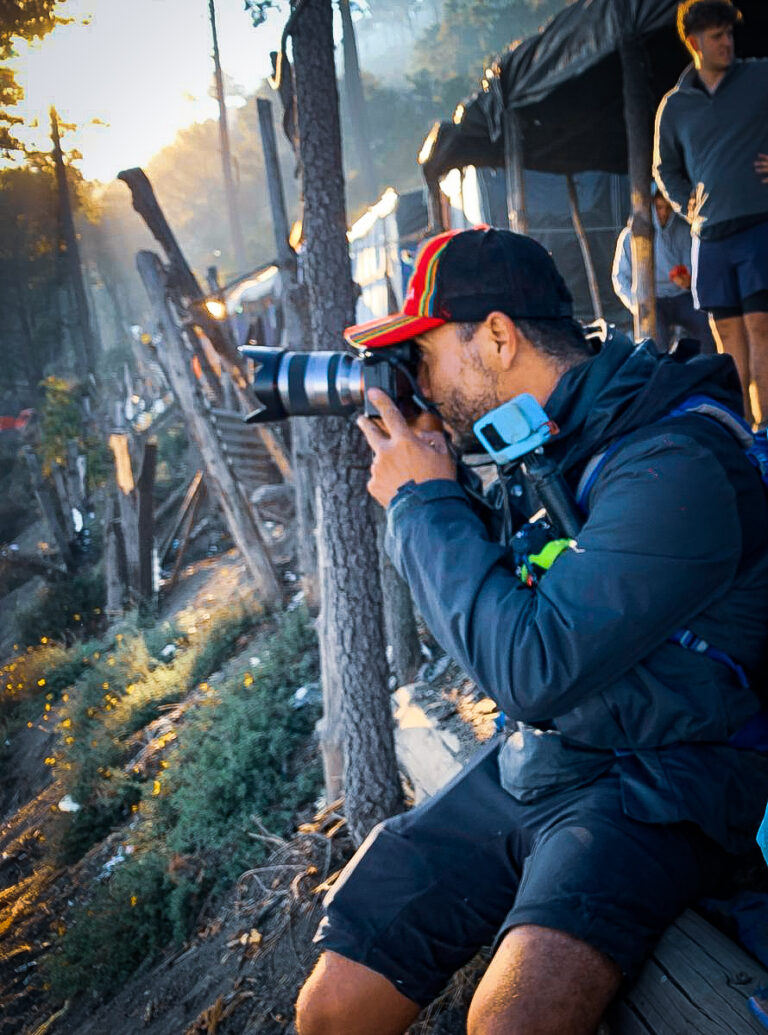
A local photographer can provide information that even excellent global instructors may not know.
For example:
- Current wildlife activity
- Seasonal road conditions
- Best sunrise locations
- Local permissions
- Cultural etiquette
- Weather patterns
The ideal photography travel tour often combines:
photography expertise + local expertise
Photography Tours and Cultural Respect
Photographers should never treat people as props.
Ask before taking close portraits when appropriate.
Respect:
- Religious spaces
- Ceremonies
- Indigenous communities
- Private homes
- Children
- Sensitive cultural events
A responsible photography tour should explain local etiquette.
How Much Do Photography Travel Tours Cost?
Prices vary dramatically.
A local half-day tour may be relatively inexpensive.
A two-week wildlife expedition can cost thousands.
Major cost factors include:
- Destination
- Duration
- Group size
- Instructor
- Accommodation
- Transportation
- Permits
- Wildlife guides
- Boats
- Internal flights
The cheapest option is not automatically the best value.
Consider what is included.
What Is Usually Included?
Depending on the trip:
- Photography instruction
- Local guide
- Transportation
- Accommodation
- Location permits
- Park fees
- Some meals
Often excluded:
- International flights
- Travel insurance
- Camera equipment
- Personal expenses
- Alcohol
- Tips
Read the itinerary carefully.
Why Travel Insurance Is Important
Photography travel tours often involve expensive equipment and remote destinations.
Travel insurance may help with:
- Trip cancellation
- Medical emergencies
- Travel interruption
Equipment coverage should be checked separately.
Do not assume a standard travel policy automatically covers professional camera equipment at full value.
How to Choose a Photography Travel Tour
Evaluate more than the destination.
Instructor Portfolio
Do you like their work?
Teaching Experience
Can they explain photography clearly?
Local Expertise
Who knows the destination?
Group Size
Smaller often means more flexibility.
Itinerary
Is it designed around photography or tourism?
Physical Requirements
Does it involve:
- Hiking
- Boats
- Altitude
- Heat
- Long drives
Skill Level
Is the trip appropriate for you?
Reviews
Look for comments about:
- Organization
- Instruction
- Access
- Group dynamics
- Photography opportunities
Questions to Ask Before Booking
Before paying a deposit, ask:
- How many photographers are in the group?
- Who leads the tour?
- Is photography instruction included?
- What skill level is expected?
- Which lenses should I bring?
- How physically demanding is the trip?
- Are park fees included?
- Is transportation included?
- Is accommodation included?
- Are meals included?
- Is there single-room supplementation?
- What happens during bad weather?
- What wildlife encounters are realistic?
- Is travel insurance required?
- What is the cancellation policy?
Good operators should provide clear answers.
Red Flags When Choosing Photography Travel Tours
Be cautious when a tour:
- Guarantees wildlife encounters
- Shows no instructor portfolio
- Does not explain group size
- Has vague inclusions
- Uses only stock photography
- Promises too many destinations
- Provides no cancellation policy
- Encourages unethical wildlife interaction
Photography travel requires trust.
Research the operator.
Best Photography Travel Tours for Solo Travelers
Photography tours can work particularly well for solo travelers.
Benefits include:
- Built-in social group
- Shared transportation
- Safer access to remote areas
- Common interests
Photographers tend to spend long periods quietly waiting for light or wildlife, making shared interests particularly useful for group compatibility.
Ask about:
- Single supplements
- Room sharing
- Group demographics
before booking.
Photography Travel Tours for Couples
Couples can enjoy photography tours even when only one person is an enthusiastic photographer.
However, choose carefully.
A serious photography itinerary may involve:
- 4:30 a.m. departures
- Long waits
- Limited sightseeing
- Multiple sunset sessions
A non-photographer may find that frustrating.
Mixed-interest couples may prefer private tours or flexible itineraries.
Photography Vacations vs. Photography Expeditions
Photography vacations generally emphasize comfort and enjoyment.
Photography expeditions often prioritize access.
| Photography Vacation | Photography Expedition |
|---|---|
| Comfortable itinerary | More demanding |
| Accessible destinations | Remote locations |
| More leisure | Photography intensive |
| Hotels/resorts | Remote lodging possible |
| Moderate fitness | Higher physical demands |
Choose honestly based on the experience you want.
Photography Travel Tours and Adventure Photography
Adventure-oriented tours may combine photography with:
- Hiking
- Diving
- Freediving
- Kayaking
- Camping
- Wildlife tracking
- Mountain travel
These experiences produce unique photographs but require stronger physical preparation.
Photography equipment also adds weight.
Pack strategically.
Best Photography Travel Tours for Coastal Destinations
Coastal photography offers tremendous variety.
A single tour may combine:
- Sunrise
- Beaches
- Fishing villages
- Boats
- Marine life
- Birds
- Underwater environments
- Local culture
Morning and evening light usually produces the strongest coastal images.
Midday can be used for underwater or cultural photography.
Create a Balanced Photography Itinerary
A strong photography itinerary should include recovery time.
Example:
| Time | Activity |
|---|---|
| 5:30 AM | Sunrise shoot |
| 8:30 AM | Breakfast |
| 10:00 AM | Cultural photography |
| 1:00 PM | Lunch / rest |
| 3:30 PM | Wildlife or location transfer |
| 5:30 PM | Sunset shoot |
| 8:00 PM | Dinner |
| 9:00 PM | Optional image review |
Not every day needs to start before sunrise and finish after midnight.
Fatigue affects creativity.
How to Get More From Photography Travel Tours
Research Before Arrival
Study:
- Destination
- Wildlife
- Culture
- Weather
Know Your Camera
You do not need mastery.
But learn where important controls are.
Photograph Beyond the Obvious
After creating the standard image, change:
- Angle
- Lens
- Distance
- Composition
Ask for Feedback
Use the instructor.
Photograph Details
Not every image needs to be epic.
Small details strengthen travel stories.
Stay Flexible
Weather and wildlife change.
Adapt.
What Makes a Great Photography Travel Experience?
The best trips combine:
- Good locations
- Appropriate timing
- Local knowledge
- Realistic group size
- Photographic guidance
- Flexible planning
The destination alone is not enough.
A famous location photographed in poor light may produce weaker images than an unknown place photographed under perfect conditions.
Common Photography Travel Mistakes
Packing Too Much Gear
Heavy bags reduce mobility.
Trying to Photograph Everything
Focus improves storytelling.
Ignoring Local Culture
Travel photography requires respect.
Shooting Only Famous Locations
Look beyond postcards.
Never Reviewing Images
Small technical problems can continue for days.
Prioritizing Photos Over Experience
Occasionally put the camera down.
Travel itself contributes to better visual storytelling.
What to Do After a Photography Travel Tour
The trip may produce thousands of images.
Do not try to edit everything immediately.
First Selection
Remove obvious technical failures.
Second Selection
Choose strong images.
Build a Story
Look for:
- Establishing images
- People
- Details
- Landscape
- Action
Create a Portfolio
A 20-image series often communicates more than 200 unrelated photographs.
Print Something
Photography becomes more meaningful when it exists outside a screen.
Are Photography Travel Tours Worth It?
For travelers whose main goal is photography, they can provide substantial value.
They can offer:
- Better access
- Better timing
- Local knowledge
- Photography instruction
- Efficient logistics
They are especially valuable for destinations where:
- Access is difficult
- Wildlife locations are specialized
- Transportation is complicated
- Permits are required
Independent travel may still be better for photographers who prioritize complete flexibility.
Frequently Asked Questions About Photography Travel Tours
What are photography travel tours?
Photography travel tours are trips designed around creating photographs. They often combine transportation, local knowledge, photography locations, and sometimes professional instruction.
Are photography tours suitable for beginners?
Yes.
Look for a beginner-friendly itinerary with instruction in exposure, composition, autofocus, and camera settings.
Do you need a professional camera?
No.
Requirements vary by tour.
Many travel and street photography tours accept smartphones and compact cameras.
Wildlife and bird photography may require longer lenses.
What is the difference between a photography tour and workshop?
A photography tour usually emphasizes locations and shooting opportunities.
A workshop generally includes more structured instruction and feedback.
What is the best time of year for photography tours?
It depends on the subject.
Wildlife tours should follow animal activity.
Landscape tours depend on light and weather.
Underwater tours may prioritize visibility.
Bird photography may follow migration.
What equipment should I bring?
Bring only what suits the subject.
A basic travel kit may include a camera, standard zoom, spare batteries, memory cards, and a cleaning kit.
Are photography tours expensive?
Costs vary enormously.
Short local tours may be affordable, while international wildlife expeditions with specialized guides, transportation, and accommodations can cost thousands.
Are photography tours good for solo travelers?
Yes.
They provide a structured group, shared transport, and travelers with similar interests.
Can photography travel tours include underwater photography?
Yes.
Specialized trips can focus on reefs, marine wildlife, divers, cenotes, or underwater landscapes.
Participants generally need appropriate diving or water skills.
Should I choose a private photography tour?
Private tours are useful when you want maximum flexibility, personalized instruction, or a specific photographic subject.
Final Thoughts: Photography Travel Tours Are About More Than Visiting Beautiful Places
The best photography travel tours do not simply transport photographers to famous locations.
They help photographers understand:
where to be
when to arrive
what to look for
and
how to photograph it.
A landscape tour may position you before sunrise when light first reaches the mountains.
A wildlife guide may know when animals become active.
A bird specialist may recognize a call before you ever see the species.
A local photographer may take you into a neighborhood that most tourists never explore.
An underwater guide may understand exactly where the sun creates dramatic light inside a cenote.
That combination of timing, access, local knowledge, and photographic experience is what makes a photography-focused trip different from an ordinary vacation.
Choose the tour according to your photographic goals.
Study the itinerary.
Check the group size.
Research the instructor.
Understand the physical requirements.
Pack strategically.
Stay flexible when weather changes.
Respect wildlife and local communities.
And leave enough time to observe before pressing the shutter.
The ultimate goal of photography travel is not simply to return with thousands of photographs.
It is to return with a smaller collection of images that communicate what the destination felt like—and with stronger photographic skills that continue improving every trip that follows.
