

Perhaps it was a photograph of a freediver beneath a sunlit cenote, or the idea of exploring the water without a scuba tank. Whatever first caught your attention, choosing a freediving experience often brings a practical question: what equipment will you use?
Understanding freediving gear can make that first session feel more familiar. Each piece has a purpose, from seeing clearly through your mask to staying comfortable in the water. You can learn the basics before your trip without turning your vacation planning into a search for expensive equipment.
At MExplor, we can help you explore experiences that suit your interests and explain the equipment arrangements for the option you choose.
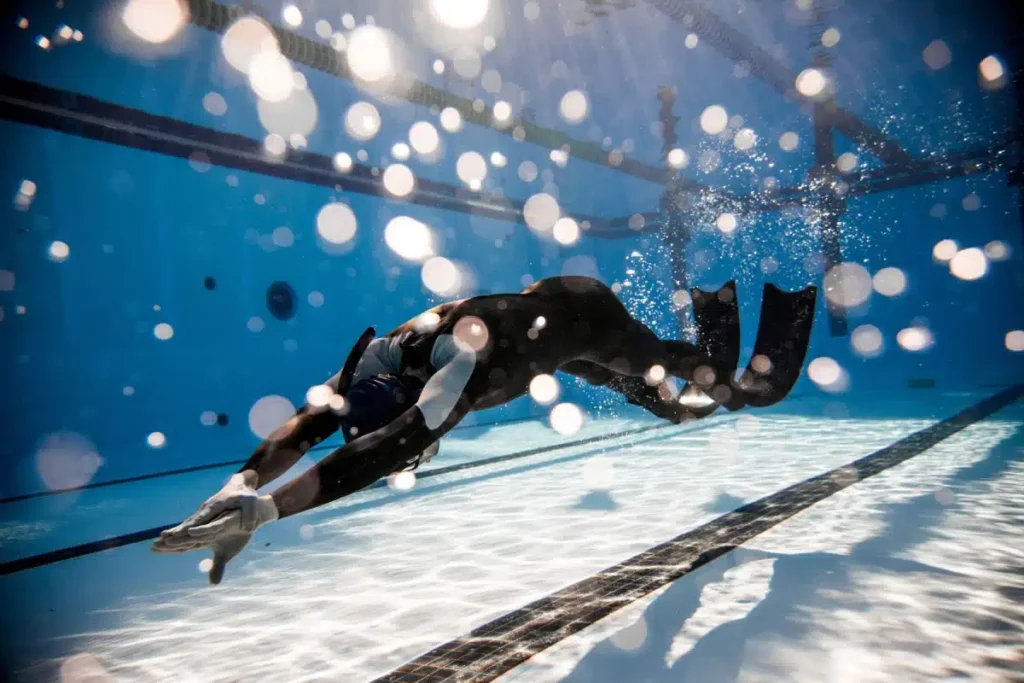
Freediving Gear at a Glance
The equipment you encounter depends on the setting and the session. These are the main items worth knowing.
| Equipment | What it does | What matters for your first experience |
|---|---|---|
| Mask | Gives you a clear view underwater | A comfortable fit |
| Snorkel | Allows breathing at the surface when its opening is above water | Understanding when and how to use it |
| Fins | Help you move through the water | A suitable fit and appropriate technique |
| Wetsuit | Provides thermal protection | The water conditions and your comfort |
| Weight system and training equipment | Support the setup for particular activities | Selection and use under appropriate instruction |
You will not necessarily use every item in every session. Your instructor introduces the equipment needed for the activity.
1. A Freediving Mask: Enjoy the View
A mask brings the underwater setting into focus. It lets you appreciate details that are difficult to see from above, whether that means fish moving near a reef or light falling across the rocks in a cenote.
Freediving masks commonly have a low internal volume, meaning there is less air space inside than in many larger masks. This reduces the amount of air needed to equalize the mask during a descent, a skill introduced through training.
For a beginner, comfort and fit come first. The mask should not become a constant distraction. If it presses uncomfortably or repeatedly leaks, let your instructor know so the fit can be checked.
2. A Snorkel: For Time at the Surface
A snorkel lets you breathe with your face in the water while its opening remains above the surface. It does not supply air when you are fully submerged.
This makes it useful for observing the surroundings from above. Time at the surface is also part of the experience: you may notice reflections, changing light or the movement of fish below.
Simple snorkels are commonly used in freediving. During instruction, you learn how to use yours appropriately and how its role differs from the skills involved in a breath-hold descent.
3. Freediving Fins: Find a Comfortable Rhythm
Long fins are one of the most recognizable pieces of freediving gear. With appropriate technique, they help a freediver move efficiently through the water.
The longest or most expensive pair is not automatically the right choice for your first session. Fit, your experience and the activity all matter.
Learning how the fins respond is part of becoming familiar with freediving. Rather than concentrating on how impressive the equipment looks, give yourself room to develop comfortable movement under instruction.
You do not need advanced equipment to make your first experience worthwhile. Good guidance and time to learn are more useful starting points.
4. A Wetsuit: Stay Comfortable in the Water
Warm weather does not always mean you will feel warm throughout a water session. Time spent floating or moving slowly can make thermal protection useful, even in a tropical destination.
A wetsuit helps you retain warmth. The appropriate thickness depends on the water conditions, and the suit also affects buoyancy.
This is why equipment choices should relate to the actual experience. A pool session, an ocean outing and a cenote visit can call for different arrangements.
Tell the team if you tend to feel cold in the water. That small detail helps the conversation focus on your comfort, rather than choosing equipment from the air temperature alone.
5. Weight Systems and Training Equipment
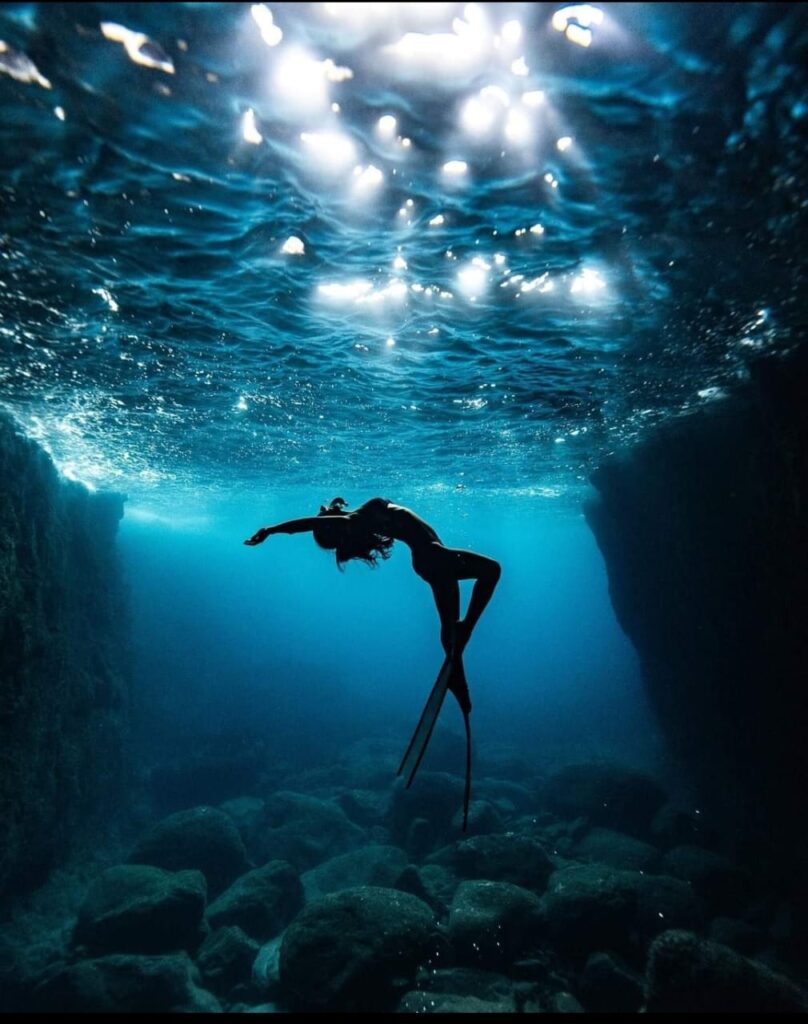
Some freediving gear is less familiar because it belongs to a particular training setup.
A weight belt may be used when appropriate. A buoy, vertical line or lanyard may also form part of a structured session, depending on the environment and activity.
These are items to learn about through instruction. Weighting requires individual assessment, so copying another participant’s setup is not a suitable shortcut.
Our guide to freedive training explains the wider role of equipment, technique and supervision. Equipment does not replace proper instruction or an appropriately trained safety buddy. Never practise breath-hold diving alone.
Bringing Freediving Gear on Your Trip
Before filling your suitcase, start with the experience you would like to have. A first introduction and a session for trained freedivers may involve different equipment arrangements.
A few details help us understand your plans:
Where you will be staying and your travel dates.
Whether you have tried freediving before.
Any equipment you already own and would like to bring.
From there, MExplor can help you explore suitable options and clarify what is provided or needs to be arranged separately. There is no need to buy a complete setup before those details are clear.
If you are still getting to know the activity, our PADI Freediver guide introduces the learning experience.
Frequently Asked Questions About Freediving Gear
Do I need to buy freediving gear before my first session?
Confirm the arrangements for your chosen experience first. Knowing what is provided helps you avoid unnecessary purchases and packing.
Can I bring my snorkeling mask and fins?
Tell the team what you have. Some equipment may be suitable, but that depends on its fit, the activity and your instructor’s assessment.
Do I need a wetsuit in the Mexican Caribbean?
That depends on the water conditions and the session. A warm destination can still call for thermal protection, particularly when you spend time floating or moving slowly.
Does better equipment mean I can dive deeper?
Equipment alone does not determine your progress. Instruction, technique and safety procedures remain essential. Your first experience does not need to revolve around reaching a particular depth.
Feel More Familiar Before You Arrive
Knowing the basics of freediving gear leaves more room to enjoy learning when you reach the water. You can recognize what each item does, ask questions and discover how the activity feels at your own pace.
Now that the equipment feels more familiar, explore how freediving could fit into your time in Mexico—from an introduction with an instructor to experiences for travelers who already have training.
