

Where Are the Cenotes in Mexico? A Guide to the Main Areas
Where are the cenotes in Mexico? The country’s best-known concentration is in the Yucatán Peninsula, in southeastern Mexico, particularly in the states of Yucatán and Quintana Roo. Popular areas for visitors include Puerto Morelos, Playa del Carmen, Tulum, Valladolid and the countryside around Mérida.
That is the geographical answer. The travel answer depends on where you are staying and what you want to do. A relaxed swim near your accommodation, a guided snorkeling excursion and a specialized diving trip can take you to very different locations.
This guide explains where to look, how the main areas differ and how to choose a practical base. If you want to combine cenotes with accommodation and other Mexican Caribbean experiences, you can also explore a personalized MExplor Custom Camp.
Where Are the Cenotes in Mexico Located?
Start by finding the Yucatán Peninsula on a map. It extends into the waters between the Gulf of Mexico and the Caribbean Sea, with Cancun and the Riviera Maya along its eastern side. Inland, destinations such as Valladolid and Mérida provide access to other cenote areas.
One common source of confusion is the word “Yucatán.” It can refer to the state of Yucatán or the broader Yucatán Peninsula. Cancun, Puerto Morelos, Playa del Carmen and Tulum are in Quintana Roo, while Valladolid and Mérida are in Yucatán state.
When researching where are the cenotes in Mexico, use the town or region as well as the cenote’s name. That helps you avoid choosing an outing that looks nearby online but requires a substantial journey.
| Area | State | Why consider it? |
|---|---|---|
| Puerto Morelos and Ruta de los Cenotes | Quintana Roo | Combining cenotes with a Caribbean coastal stay |
| Playa del Carmen and nearby areas | Quintana Roo | Access to cenotes along the Riviera Maya |
| Tulum and surrounding countryside | Quintana Roo | Cenote outings alongside a Tulum-based vacation |
| Valladolid and nearby communities | Yucatán | Combining cenotes with an inland cultural stay |
| Homún and Cuzamá area | Yucatán | Exploring cenote country from the Mérida region |
These are useful starting points rather than an exhaustive list. The final choice should depend on the specific site, access and activity.
Why Are There So Many Cenotes in This Region?
The peninsula’s limestone landscape helps explain the concentration. Water moves through and dissolves limestone over time, creating underground spaces and passages. Where an opening exposes the groundwater, a cenote can form.
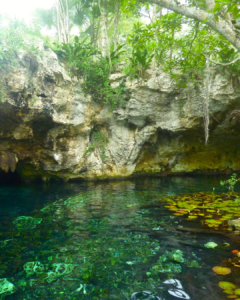
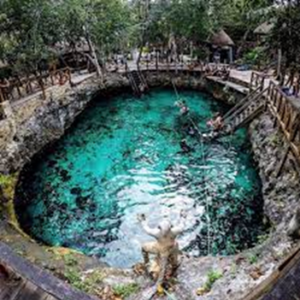
Not every cenote looks like a round pool with vines hanging from the edges. Some are open to the sky, while others sit beneath partial rock ceilings or within more enclosed environments.
That variety is part of the appeal. It also means that photographs alone cannot tell you whether a location is suitable for swimming, snorkeling or diving.
Cenotes Near Cancun: Look Beyond the Hotel Zone
Travelers often ask where are the cenotes in Mexico after booking a beach vacation in Cancun. Many excursions marketed as “Cancun cenote tours” travel outside the city, so the name usually describes your departure point rather than the location of the water.
Before booking, identify the actual destination. An outing near Puerto Morelos and a trip farther south toward Tulum can involve very different amounts of transportation.
Ask how much time you will spend traveling and how long you will have at the cenote. A shorter journey may suit a relaxed day, while a longer excursion can make sense when a particular location is your priority.
Puerto Morelos and the Ruta de los Cenotes
Puerto Morelos is a coastal town south of Cancun and a starting point for the Ruta de los Cenotes, which leads inland. Mexico’s tourism website identifies the town as an entry point to this cenote route.
This area is worth considering if you want a vacation that includes both the coast and freshwater outings. You can discuss a cenote experience without making the entire trip an inland road journey.
What Can You Explore Along the Route?
Different properties offer different settings and activities. La Noria, for example, is identified by Mexico’s tourism website as a cenote along the route near Puerto Morelos, surrounded by tropical vegetation.
Choose according to the experience you want. Check entry points, facilities, supervision and whether the activity takes place in an open or partly enclosed area.
Cenotes Near Playa del Carmen
Playa del Carmen provides a base for exploring the Riviera Maya, including cenotes outside the city. When searching for nearby options, you will encounter names such as Cenote Azul, Cristalino and Jardín del Edén in the area around Puerto Aventuras.
Treat each as a separate destination with its own access arrangements. Being close to one another does not mean they share admission, rules or facilities.
For travelers asking where are the cenotes in Mexico because they want to add one to an existing Playa del Carmen itinerary, choosing a manageable outing is often more useful than compiling a long list. One unhurried visit leaves time to enjoy the water.
Cenotes Near Tulum
Tulum is another base for cenote excursions. Locations associated with this area include Gran Cenote and Dos Ojos, although they are separate sites outside the town and require their own transportation planning.
Choose the activity before choosing the name. A sightseeing visit, guided snorkeling outing and scuba excursion can involve different routes and requirements even within the same general location.
If you are staying in Cancun or Puerto Morelos, account for the additional journey south. A Tulum-area cenote can be worthwhile, but it should fit comfortably into the day.
Cenotes Around Valladolid
Valladolid offers a different setting from the Caribbean coast. Mexico’s tourism website describes it as a starting point for exploring the region’s natural and cultural attractions, including nearby cenotes.
Cenotes Near Mérida: Homún and the Surrounding Area
If you are staying in Mérida, look toward Homún and the surrounding cenote region rather than assuming you need to travel to the Caribbean coast. Mexico’s tourism website highlights Homún for its many cenotes and places it approximately an hour from Mérida, depending on the journey.
This is a useful answer to where are the cenotes in Mexico for travelers exploring Yucatán state. The region offers a different travel pattern from a beach-based Riviera Maya vacation.
Plan the individual locations and local transportation before departure. Nearby cenotes may still have separate entrances, operators and rules.
Which Area Should You Choose?
The best region is usually the one that fits your wider vacation. You do not need to cross the peninsula simply because a particular cenote appeared in a popular video.
| Your vacation plan | Area to investigate first |
|---|---|
| Staying in Cancun | Puerto Morelos and nearby excursion options |
| Combining the coast with nature outings | Puerto Morelos and Ruta de los Cenotes |
| Staying in Playa del Carmen | Nearby Riviera Maya cenotes |
| Spending several days in Tulum | Tulum-area cenotes |
| Exploring inland towns and cultural attractions | Valladolid region |
| Staying in Mérida | Homún and surrounding areas |
Once you have selected a region, compare sites within it. This turns “where are the cenotes in Mexico?” into a more practical question: which cenote suits my day, interests and abilities?
Open, Semi-Open or Enclosed Cenotes?
Location is only one part of choosing an outing. The environment influences how the visit feels and what activities are appropriate.
Open cenotes have water exposed to the sky. Semi-open cenotes combine rock cover with daylight openings. More enclosed settings can have a stronger cavern atmosphere, with access and activities shaped by the site.
An open setting does not automatically mean shallow water, and a beautiful cavern photograph does not establish suitability for a beginner. Ask about the actual route and facilities.
Can You Swim, Snorkel or Dive in Every Cenote?
No. Access and permitted activities vary, and some locations or sections may be restricted. A site advertised for diving is not necessarily organized for an independent swimming visit.
For swimming or snorkeling, explain your ability and ask about life jackets and supervision. For scuba diving, confirm the route, certification requirements and recent-experience expectations.
Cavern and full cave diving are different from an ordinary open-water excursion. Full cave diving requires specialized training; a general recreational certification does not qualify you to explore cave passages.
How Do You Reach Cenotes?
Your transport choice depends on the site and whether you want an independent visit or an organized experience. A rental car can provide flexibility, while a guided outing can coordinate the activity and journey.
Public transportation may reach a main-road stop without taking you to the entrance. Check the remaining distance, access road and return arrangements before relying on it.
When comparing tours, confirm your exact pickup location. “Transportation included” should identify where the service begins and ends.
Explore Cenotes with MExplor Custom Camp
If you want several experiences organized around one stay, MExplor Custom Camp provides a way to discuss your interests together. Its personalized offering can combine accommodation, breakfast, transportation and selected activities, with the final proposal establishing the inclusions.
You might request a suitable cenote outing alongside photography, snorkeling, diving or dance. Share your dates, group size and comfort in the water so the team can suggest an appropriate combination.
Stay at MExplor House in Puerto Morelos
MExplor’s Custom Camp description includes a stay at Casa MExplor, also known as MExplor House, in Puerto Morelos, alongside a personalized schedule and selected experiences.
This gives you a coastal base from which to discuss nearby cenote visits. For more distant destinations, such as Valladolid or the Mérida region, assess the travel separately rather than assuming everything fits into one short outing.
Frequently Asked Questions
Where are the cenotes in Mexico mainly located?
The best-known concentration is in the Yucatán Peninsula, particularly in Yucatán and Quintana Roo. Popular visitor areas include Puerto Morelos, Playa del Carmen, Tulum, Valladolid and Homún.
Are Cancun’s cenotes inside the city?
Many excursions advertised from Cancun visit locations outside the city. Confirm the actual cenote and travel arrangements.
Is Yucatán the same as the Riviera Maya?
No. Yucatán is both a state name and part of the name of the wider peninsula. The Riviera Maya is a Caribbean coastal region in Quintana Roo.
Can I visit cenotes without diving?
Yes. Many visitor-oriented sites offer swimming or snorkeling, subject to their rules and your suitability for the activity.
Can I visit all the main cenote areas in one day?
The areas are spread across the peninsula. Choose a local cluster or plan several days rather than attempting an exhausting cross-region itinerary.
Can MExplor help organize my visit?
Explore Custom Camp to discuss suitable cenote experiences, accommodation and transportation. Confirm the specific locations and inclusions in your proposal.
Plan Your Cenote Adventure in Mexico
Where are the cenotes in Mexico? Start with the Yucatán Peninsula, then narrow your search to the region that fits your vacation. Puerto Morelos and the Riviera Maya suit a coastal itinerary, while Valladolid and the Mérida region offer inland alternatives.
Discover MExplor Custom Camp to discuss a personalized Mexican Caribbean stay.
Share your travel dates, accommodation plans and interests with MExplor, and choose a cenote experience that fits your trip.
