

Birdwatching Day Trips: Discover Nature in Just One Day
Beyond its beaches, reefs and cenotes, the Mexican Caribbean is home to tropical forests, mangroves, wetlands and coastal ecosystems that provide shelter for an extraordinary variety of birds.
MExplor’s birdwatching day trips offer a quieter and more immersive way to explore the region. Accompanied by local guides, travelers can observe, identify and photograph birds while learning about their habitats, behaviors and role within the ecosystem.
Whether you are an experienced birder, a nature photographer or simply curious about local wildlife, each trip can be personalized according to your interests and experience.
Why Choose the Mexican Caribbean for Birdwatching?
The Yucatán Peninsula contains a remarkable combination of ecosystems within a relatively compact region.
During one trip, travelers may explore:
- Tropical forests
- Coastal dunes
- Mangroves
- Freshwater wetlands
- Cenote surroundings
- Botanical gardens
- Protected natural areas
- Rural communities
- Coastal lagoons
These habitats support resident birds as well as migratory species that travel through the region during different times of the year.
What Birds Can You See?
Bird sightings vary according to the destination, season, weather and time of day. No specific species can be guaranteed in a natural environment.
Depending on the selected location, participants may encounter:
- Toucans
- Motmots
- Parrots
- Woodpeckers
- Hummingbirds
- Herons
- Egrets
- Pelicans
- Cormorants
- Hawks
- Falcons
- Flycatchers
- Tanagers
- Warblers
- Orioles
- Kingfishers
- Frigatebirds
- Flamingos in selected areas and seasons
The Yucatán Peninsula is also known for species with restricted regional distributions, making it particularly interesting for birders building a personal observation list.
What Happens During a Birdwatching Day Trip?
Birdwatching trips commonly begin early in the morning, when many species are more active and temperatures are cooler.
The guide introduces the area, explains responsible observation practices and helps participants identify birds through appearance, movement, habitat and vocalizations.
A typical experience may include:
- Early departure from the meeting point
- Arrival at the selected habitat
- Safety and observation briefing
- Guided walk or slow vehicle-based exploration
- Bird identification and photography
- Rest and refreshment break
- Visit to a second habitat when included
- Return transportation
The exact schedule depends on the location, travel time, weather and wildlife activity.
Birdwatching Destinations in the Mexican Caribbean
Puerto Morelos
Puerto Morelos is surrounded by jungle, mangroves, cenotes and coastal habitats. Its location between Cancún and Playa del Carmen makes it a convenient base for nature-focused excursions.
Birding routes may explore forest trails, botanical areas, cenote surroundings or wetlands near the coast.
Playa del Carmen and the Riviera Maya
The Riviera Maya contains patches of tropical vegetation where birds can be observed away from the busiest tourism areas.
Trips from Playa del Carmen may combine birdwatching with cenote visits, nature photography or exploration of rural areas.
Cancún and Nearby Wetlands
Although Cancún is known primarily for its resorts, the surrounding region contains mangroves, lagoons and coastal habitats.
These environments may provide opportunities to observe shorebirds, herons, raptors and other water-associated species.
Tulum and Southern Riviera Maya
The region surrounding Tulum includes jungle, wetlands, coastal vegetation and access to protected natural areas.
Birdwatching trips can be incorporated into a broader nature itinerary that may also include cenotes, archaeological areas or photography.
Valladolid and Inland Yucatán
Inland destinations offer a different landscape from the Caribbean coast. Forested areas, agricultural land and traditional communities attract a variety of birds.
Valladolid can also serve as a base for visiting cenotes and exploring nature areas across the peninsula.
Coastal Birdwatching
Coastal birdwatching focuses on species that live or feed near beaches, lagoons, mangroves and shallow marine areas.
Participants may observe:
- Pelicans
- Frigatebirds
- Herons
- Egrets
- Cormorants
- Sandpipers
- Terns
- Gulls
- Kingfishers
- Birds of prey
Tides, weather and human activity can influence sightings.
Jungle Birdwatching
Forest birding provides the opportunity to observe species that may be difficult to see in open environments.
Dense vegetation can make sightings challenging, so guides often identify birds first by their calls or movement in the canopy.
Jungle birdwatching rewards patience. Remaining quiet and allowing time for the forest to become active often produces better results than moving quickly between locations.
Birdwatching and Nature Photography
Bird photography requires patience, preparation and respect for wildlife. A birdwatching trip can be adapted for photographers who want more time to observe behavior and wait for suitable compositions.
Photography-focused experiences may include:
- Location scouting
- Guidance on natural light
- Bird-positioning awareness
- Composition recommendations
- Slow and quiet approaches
- Professional photography assistance
- Documentation of the complete excursion
Depending on local regulations and conditions, drone photography may be used to document landscapes. Drones should never be flown close to birds, nests or sensitive wildlife areas.
What to Bring on a Birdwatching Trip
Participants should arrive prepared for warm temperatures, humidity, insects and changing weather.
Recommended items include:
- Binoculars
- Camera and telephoto lens
- Extra batteries
- Memory cards
- Lightweight clothing
- Comfortable closed shoes
- Hat or cap
- Reusable water bottle
- Insect repellent
- Sun protection
- Small backpack
- Rain protection
- Personal medication
Choose clothing in neutral or natural colors. Bright colors and loud accessories may make it more difficult to approach wildlife quietly.
Do You Need Birdwatching Experience?
No previous birdwatching experience is necessary.
Beginners can learn how to:
- Use binoculars
- Notice field markings
- Identify basic bird families
- Listen for calls
- Observe behavior
- Use a bird list or identification application
- Record sightings responsibly
Experienced birders can request a more specialized trip focused on particular habitats, regional species or photography.
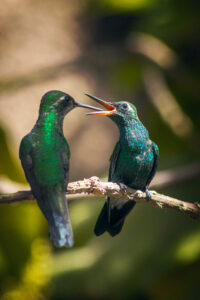
Best Time of Day for Birdwatching
Early morning is generally the preferred time for a birdwatching trip because temperatures are cooler and many species are active.
Late-afternoon sessions may also offer good conditions, particularly near wetlands and coastal habitats.
Midday activity can be lower because of heat, although this depends on the species, environment and weather.
Best Season for Birdwatching
Birdwatching is possible throughout the year, but the mix of species can change with migration and seasonal conditions.
Some birds remain in the region year-round, while others visit during their annual migrations.
The best time to travel depends on whether your priority is:
- Resident species
- Migratory birds
- Coastal birds
- Regional species
- Bird photography
- Comfortable weather
- A particular natural event
Because birds are wild animals, sightings and photographic opportunities cannot be guaranteed.
Responsible Birdwatching
Responsible observation protects both wildlife and its habitat.
Participants should:
- Maintain a respectful distance
- Avoid touching or feeding birds
- Never disturb nests
- Keep noise to a minimum
- Remain on designated paths
- Follow local regulations
- Avoid surrounding an animal
- Limit the use of recorded bird calls
- Carry all waste out of natural areas
- Follow the guide’s instructions
The welfare of the bird should always be more important than obtaining a photograph.
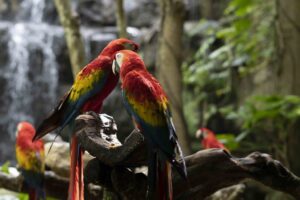
Who Are Birdwatching Trips For?
These experiences are suitable for:
- Beginner and experienced birders
- Nature photographers
- Families
- Couples
- Solo travelers
- Wildlife enthusiasts
- School and educational groups
- Travel agencies
- Small private groups
- Travelers looking for quieter activities
The route, pace and duration can be adapted to the participants whenever conditions permit.
Why Book With MExplor?
MExplor designs personalized nature experiences based on your interests, available time and preferred travel style.
Our knowledge of the Mexican Caribbean allows us to connect birdwatching with other environments and activities across the region.
With MExplor, your birdwatching experience can include:
- Local knowledge
- Personalized route planning
- Visits to different ecosystems
- Professional nature photography
- Ground transportation
- Small-group attention
- Additional outdoor activities
- Flexible travel planning
Rather than following a generic excursion, you can create an itinerary focused on the habitats, wildlife and photographs that interest you most.
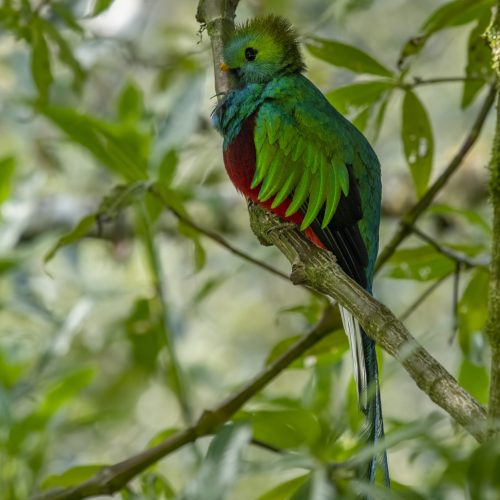
Quetzal Bird Guatemala
- Local Guide
- ~6 horas
- Transportation form the center of Lago Atitlan

Birds of Cancun Mexico
- Local Guide
- ~4 horas
- Transportation form the center of Puerto Morelos
- Water
- Optional Breakfast
- Spice sheets
Frequently Asked Questions
Do I need binoculars?
Bringing binoculars is recommended. Some experiences may provide shared or rented equipment, subject to availability.
Are birds guaranteed?
No. Birds move freely, and sightings depend on season, weather, habitat and natural behavior.
What time do birdwatching trips begin?
Many trips begin early in the morning, when bird activity is often higher and temperatures are cooler.
Can beginners participate?
Yes. The guide can explain basic observation and identification techniques throughout the experience.
Is transportation included?
Transportation may be included depending on the package and meeting location. Confirm pickup details before booking.
Can I book a photography-focused trip?
Yes. The route and pace can be adapted for bird and nature photography.
Can children participate?
Children may participate in selected experiences when accompanied by an adult. Age recommendations depend on the route and activity duration.
Are private trips available?
Yes. Private birdwatching experiences can be organized for individuals, couples, families and small groups.
Discover the Birds of the Mexican Caribbean
Birdwatching invites you to slow down, observe carefully and experience the Mexican Caribbean beyond its most famous attractions.
From colorful forest species to coastal and migratory birds, every habitat reveals another part of the region’s natural story.
Contact MExplor to plan your personalized birdwatching day trip in the Mexican Caribbean.
Also you are interested
SSI Freediving: Courses, Levels, Certification & Training Guide
SSI Freediving: Courses, Certification Levels and What to Expect Holding your breath underwater sounds simple until you actually try to do it properly. At first,

Competitive Freediving Categories: Pool & Depth Disciplines Explained
Competitive Freediving Categories: A Beginner-Friendly Guide to Pool and Depth Disciplines Freediving can look wonderfully simple from the outside. Take one breath. Go underwater. Come
Freediving Photography: Underwater Camera, Safety & Shooting Guide
Freediving Photography: How to Capture the Underwater World on One Breath There is something different about photographing underwater without a scuba tank. No bubbles. No
Lorem ipsum dolor sit amet, consectetur adipiscing elit. Ut elit tellus, luctus nec ullamcorper mattis, pulvinar dapibus leo.
