

Cenote Yucatan Mexico: Complete Guide to the Best Cenotes, Routes, Tips and What to Expect
A cenote Yucatan Mexico experience is one of the most memorable things you can do while traveling through the Yucatán Peninsula. These natural freshwater sinkholes are found throughout the region, offering crystal-clear water, limestone caves, hanging roots, dramatic openings, underground formations, and peaceful swimming spots surrounded by jungle or colonial towns.
Cenotes are much more than beautiful swimming holes. In Yucatán, they are connected to geology, freshwater systems, Maya history, local communities, tourism, and conservation. Some cenotes are open and sunny. Others are semi-open with roots and light beams. Some are fully underground cave cenotes with dramatic stalactites and deep blue water.
Whether you are visiting Mérida, Valladolid, Homún, Chichén Itzá, Izamal, or the wider Yucatán Peninsula, visiting a cenote should be part of your itinerary.
What Is a Cenote in Yucatan Mexico?
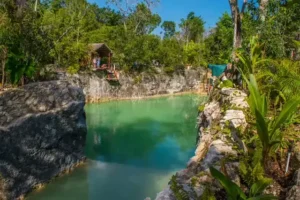
A cenote is a natural sinkhole created when limestone collapses and exposes groundwater below. The Yucatán Peninsula has very few surface rivers or lakes, so cenotes have historically served as essential freshwater sources. Research on the social history of Yucatán cenotes notes that freshwater in the peninsula is largely found in an extensive underground flooded cave system, accessible through cenotes that open through the surface.
In simple terms, cenotes are natural windows into Yucatán’s underground water system.
| Cenote Feature | What It Means |
|---|---|
| Freshwater | Cenotes are not ocean water |
| Limestone formation | Created in porous limestone bedrock |
| Underground connection | Many are part of underground river and cave systems |
| Cultural significance | Important to Maya communities and history |
| Tourism value | Popular for swimming, snorkeling, photography and diving |
| Fragile ecosystem | Needs careful protection from pollution and overuse |
Why Are Cenotes Important in Yucatan?
Cenotes are important because they are natural, cultural, ecological, and historical resources. They provide freshwater, support ecosystems, preserve archaeological evidence, and remain deeply connected to Maya heritage.
The INAH description of Xlacah Cenote at Dzibilchaltún notes that the cenote was a major water source, with more than 30,000 ceramic vessels found as offerings from periods spanning from the mid-600s BC to the 17th century.
Cenotes matter because they are:
- Freshwater sources
- Natural swimming destinations
- Sacred and cultural spaces
- Geological formations
- Archaeological sites
- Wildlife habitats
- Community tourism resources
- Fragile ecosystems
For visitors, this means cenotes should be treated with respect. They are not just photo spots. They are living natural systems.
Best Areas to Find Cenotes in Yucatan Mexico
Yucatán has many cenote routes, but some areas are especially famous for travelers.
| Area | Best For | Experience Style |
|---|---|---|
| Homún | Many cenotes close together | Local, adventurous, varied |
| Cuzamá | Classic cenote route | Rustic, traditional, multiple cenotes |
| Valladolid | Iconic cenotes near town | Easy access, photography, day trips |
| Chichén Itzá area | Cenote stops after ruins | Famous, convenient, tourist-friendly |
| Mérida area | Day trips and cultural routes | Good base for Yucatán travel |
| Cenotillo | Less crowded cenote region | More local and quiet |
| Dzibilchaltún | Archaeology + cenote | Cultural and historical experience |
The Yucatán tourism site lists cenote experiences as available year-round, which makes them one of the most flexible activities in the state.
Best Cenotes in Yucatan Mexico
Cenote Ik Kil
Cenote Ik Kil is one of the most famous cenotes in Yucatán. Located near Chichén Itzá, it is a deep open cenote with hanging vines, stone walls and a dramatic circular opening. It is popular because it is easy to combine with a visit to the archaeological site.
Best for:
- First-time visitors
- Chichén Itzá day trips
- Photography
- Deep-water swimming
Cenote Suytun
Cenote Suytun, near Valladolid, is one of the most photographed cenotes in Mexico. It is known for its circular platform and light beam effect when conditions are right.
Best for:
- Photography
- Couples
- Instagram-style travel content
- Valladolid itineraries
Cenote Zací
Cenote Zací is located close to the center of Valladolid, making it one of the easiest cenotes to visit without a long drive. It is a large semi-open cenote with vegetation, deep water and convenient access.
Best for:
- Easy Valladolid visit
- Families
- Short itineraries
- Travelers without a rental car
Cenotes of Homún
Homún is one of the best areas for travelers who want to visit several cenotes in one day. The area includes cave cenotes, open cenotes, semi-open cenotes and community-managed sites. It is popular as a day trip from Mérida.
Best for:
- Multi-cenote routes
- Adventure travelers
- Local guides
- Less commercial experiences
Cenotes of Cuzamá
Cuzamá is another classic cenote route near Mérida. It is known for rustic cenote visits and local transportation experiences. Some cenotes are more cave-like and may feel more adventurous than highly developed tourist cenotes.
Best for:
- Rustic cenote routes
- Local-style experiences
- Travelers looking beyond the most famous sites
Xlacah Cenote at Dzibilchaltún
Xlacah Cenote is located at the Dzibilchaltún archaeological site, north of Mérida. It is one of the best examples of how cenotes connect nature, archaeology and history. INAH describes Xlacah as a two-million-year-old geological formation and an important ancient water source.
Best for:
- Archaeology + cenote visit
- History lovers
- Mérida day trips
- Cultural travelers
Types of Cenotes in Yucatan Mexico
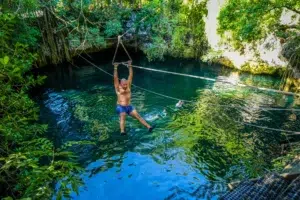
Not all cenotes look or feel the same. Understanding the different types helps you choose the right experience.
| Type of Cenote | Description | Best For |
|---|---|---|
| Open cenote | Fully open to the sky, like a natural pool | Swimming, families, sun, easy access |
| Semi-open cenote | Partially covered with cave and open areas | Photography, roots, light beams |
| Closed cenote | Underground cave cenote | Dramatic atmosphere, adventure |
| Cavern cenote | Cave-like with water access | Snorkeling, guided visits, experienced swimmers |
| Diving cenote | Used for cavern or cave diving | Certified divers only |
Open Cenotes
Open cenotes are usually the easiest for swimming because they feel more like natural pools. They often have more sunlight and may be less intimidating for first-time visitors.
Semi-Open Cenotes
Semi-open cenotes are among the most beautiful because they combine cave walls, hanging roots and natural light. Many popular photography cenotes fall into this category.
Closed Cave Cenotes
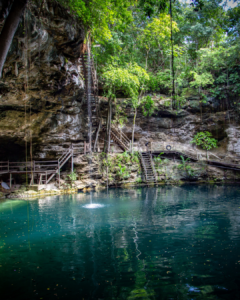
Closed cenotes feel more mysterious and atmospheric. They are often accessed by stairs and may have cooler water, echoing cave chambers and dramatic rock formations.
What to Do at a Cenote in Yucatan Mexico
Swimming
Swimming is the most common cenote activity. The water is usually cool, clear and refreshing, especially after walking around ruins or exploring towns in Yucatán’s heat.
Snorkeling
Some cenotes are good for snorkeling because of their clear water, fish, roots and limestone formations. Do not expect coral reefs or tropical marine life because cenotes are freshwater environments.
Photography
Cenotes are excellent for photography. The most photogenic elements include:
- Hanging roots
- Blue water
- Light beams
- Cave openings
- Wooden stairs
- Stone walls
- Reflections
- Jungle surroundings
Cenote Diving
Some cenotes in the Yucatán Peninsula are famous for cavern and cave diving. This is not for beginners unless done through a proper training or discovery program where permitted. Certified divers should use professional guides and respect cavern safety rules.
Cultural and Nature Tours
Many cenote routes include local guides who explain Maya culture, local history, geology and conservation. This can make the experience more meaningful than simply swimming.
Best Time to Visit Cenotes in Yucatan Mexico
Cenotes can be visited year-round, but the best overall season is usually the dry season, from November to April. This period typically has more comfortable weather, less rain and better road conditions for day trips. A 2026 Mérida weather guide describes the dry season as roughly November through April and the rainy season as about May through October.
| Season | Months | What to Expect | Best For |
|---|---|---|---|
| Dry season | November to April | Less rain, more comfortable weather | First-time visitors, photography, road trips |
| Hot season | March to May | Strong heat, refreshing cenote water | Swimming-focused trips |
| Rainy season | May to October | More humidity, afternoon rain, greener jungle | Flexible travelers |
| Peak travel periods | Christmas, New Year, Easter, summer | More visitors at famous cenotes | Book or arrive early |
Best Time of Day
The best time of day to visit most cenotes is early morning. Arriving early helps you avoid crowds, get better photos and enjoy cooler weather.
For popular cenotes like Ik Kil or Suytun, early arrival can dramatically improve the experience.
Weather and Conditions in Yucatan
Yucatán is generally hot and humid, with a dry season and rainy season. Cenote water usually feels cool year-round, which is one reason cenotes are so popular in hot months.
| Weather Factor | Visitor Tip |
|---|---|
| Heat | Bring water and lightweight clothing |
| Humidity | Expect warm conditions, especially May to October |
| Rain | Go early because storms often build later |
| Sun | Use hats and UV clothing outside the water |
| Cool water | Enter slowly if you are sensitive to cold |
| Wet stairs | Use sandals or water shoes with grip |
For general Mexico travel, Intrepid notes that June to October tends to be rainy, humid and hot, while November to April is drier.
Wildlife and Natural Life in Yucatan Cenotes
Cenotes are freshwater ecosystems, so their wildlife is different from ocean environments. You should not expect coral reefs, sea turtles or colorful reef fish. Instead, cenotes offer freshwater fish, birds, bats, plants, roots and cave-adapted environments.
You may see:
- Small freshwater fish
- Turtles in some cenotes
- Bats in cave cenotes
- Birds near open cenotes
- Tree roots reaching into the water
- Aquatic plants
- Limestone formations
- Insects and butterflies around jungle areas
Always observe wildlife without touching, feeding or disturbing it.
Are Cenotes in Yucatan Safe?
Most tourist cenotes are safe when visitors follow rules, use common sense and respect staff instructions. However, cenotes are natural environments, not swimming pools. Water can be deep, stairs can be slippery and cave areas can feel intimidating.
Cenote Safety Tips
- Wear a life jacket if required or if you are not a strong swimmer
- Do not jump unless it is clearly allowed
- Walk slowly on wet stairs and platforms
- Do not swim into restricted cave areas
- Keep children supervised at all times
- Avoid alcohol before swimming
- Follow guide instructions
- Do not dive into unknown water depths
- Use water shoes if surfaces are rocky
- Leave before storms if conditions become unsafe
What to Bring to a Cenote in Yucatan Mexico
| Item | Why You Need It |
|---|---|
| Swimsuit | Essential for swimming |
| Towel | Most cenotes do not provide one |
| Dry clothes | Useful after swimming |
| Water shoes | Helpful for wet stairs and rocks |
| Cash in pesos | Many cenotes are cash-only |
| Waterproof phone pouch | Protects your phone |
| Reusable water bottle | Important in Yucatán heat |
| Small backpack | Keeps belongings organized |
| Camera or GoPro | Great for photos and video |
| Rash guard | Sun protection without sunscreen in the water |
What Not to Do in Yucatan Cenotes
Cenotes are fragile freshwater systems. The water connects to underground aquifers, so visitors should avoid contaminating it.
Avoid:
- Wearing sunscreen, oils, lotions or insect repellent before entering
- Touching stalactites or stalagmites
- Feeding fish or wildlife
- Throwing coins or objects into the water
- Taking rocks, plants or natural materials
- Entering restricted areas
- Making excessive noise in cave cenotes
- Leaving trash
- Swimming where guides say it is unsafe
The Associated Press has reported on local Maya efforts in Homún to protect cenotes from contamination by agriculture, pig farms and other sources, highlighting how important water quality is for these fragile systems.
Cenote Yucatan Mexico Routes
Cenote Route from Mérida
Mérida is one of the best bases for exploring Yucatán cenotes. From the city, travelers can visit Homún, Cuzamá, Dzibilchaltún and other nearby cenote regions.
Good for:
- Cultural travelers
- Day trips
- Local food + cenotes
- Visitors without staying near the beach
Cenote Route from Valladolid
Valladolid is one of the best cenote bases in eastern Yucatán. It is close to Suytun, Zací, Oxman, Xkeken, Samulá and several other cenotes.
Good for:
- Photography
- Chichén Itzá combinations
- Short drives
- Colonial town + cenote itineraries
Cenote Route from Chichén Itzá
Many travelers visit a cenote after Chichén Itzá. Ik Kil is the most famous option, but other cenotes near Valladolid or smaller local cenotes can also work.
Good for:
- First-time visitors
- Full-day tours
- Cooling off after ruins
- Classic Yucatán itinerary
Cenote Route from Cancun or Riviera Maya
Travelers staying in Cancun, Playa del Carmen, Tulum or Puerto Morelos can visit cenotes in both Quintana Roo and Yucatán. Longer day trips may include Valladolid, Chichén Itzá or private cenote routes.
Good for:
- Couples
- Families
- Adventure packages
- Photography and video content
- Travelers combining beach and culture
Cenotes in Yucatan vs Cenotes in Quintana Roo
Many travelers search for “cenote Yucatan Mexico” but may be comparing cenotes across the entire Yucatán Peninsula. It helps to understand the difference between Yucatán state and Quintana Roo.
| Feature | Yucatán Cenotes | Quintana Roo Cenotes |
|---|---|---|
| Main bases | Mérida, Valladolid, Homún, Cuzamá | Tulum, Playa del Carmen, Puerto Morelos, Cancun |
| Travel style | Cultural, local, colonial routes | Beach + adventure tourism |
| Common experience | Cave, open and semi-open cenotes | Cenote parks, diving, snorkeling, jungle routes |
| Crowds | Famous sites can be busy, but many local options exist | Popular sites near Tulum can be crowded |
| Best for | Chichén Itzá, Mérida, Valladolid trips | Riviera Maya beach itineraries |
| Atmosphere | Often more local and traditional | Often more commercial or adventure-oriented |
Both regions are worth visiting. Yucatán cenotes are especially good if you want a cultural route with towns, ruins and local food. Quintana Roo cenotes are strong if you are staying near the Caribbean coast.
Frequently Asked Questions About Cenote Yucatan Mexico
What is the best cenote in Yucatan Mexico?
There is no single best cenote because it depends on your travel style. Ik Kil is best for a famous Chichén Itzá stop. Suytun is best for photography. Homún is best for visiting several cenotes in one day. Xlacah is best for combining archaeology and cenote history.
Can you swim in cenotes in Yucatan?
Yes, many cenotes allow swimming, though rules vary by site. Some cenotes require life jackets, and some protected or sacred sites may restrict access.
What is the best time to visit cenotes in Yucatan?
The best overall time is November to April, during the drier and more comfortable season. Cenotes can be visited year-round, but rainy season may affect roads and outdoor plans.
Are cenotes freshwater or saltwater?
Most cenotes are freshwater. Some cenotes closer to coastal cave systems may have haloclines where freshwater and saltwater layers meet, especially in diving areas.
Do cenotes have fish?
Yes, many cenotes have small freshwater fish. Some also have turtles, bats, birds and aquatic plants, depending on the cenote type.
Are cenotes safe for kids?
Many cenotes are safe for kids with supervision, life jackets and careful movement on stairs. Families should choose developed cenotes with facilities and easy access.
Do I need a guide to visit cenotes?
For developed cenotes, you may not need a guide. For remote routes, cave cenotes or multi-cenote itineraries, a local guide can improve safety, logistics and cultural understanding.
Can you visit cenotes from Mérida?
Yes. Mérida is one of the best bases for cenote day trips, especially to Homún, Cuzamá and Dzibilchaltún.
A Cenote Yucatan Mexico Experience Is Essential for Any Trip to the Region
A cenote Yucatan Mexico experience is more than a swim in beautiful water. It is a way to understand the region’s geology, culture, freshwater systems and natural beauty. From famous cenotes like Ik Kil and Suytun to local routes in Homún and Cuzamá, Yucatán offers cenotes for every type of traveler.
If you want history, visit cenotes near archaeological sites. If you want photography, choose semi-open cenotes with dramatic light. If you want a local adventure, explore Homún or Cuzamá. If you want a romantic or family-friendly experience, choose cenotes with good facilities, life jackets and easy access.
The best cenote visit is respectful, well-planned and slow enough to enjoy. Arrive early, avoid contaminating the water, follow local rules and remember that cenotes are not just attractions. They are fragile natural spaces and an essential part of Yucatán’s identity.
Also you are interested

Model Underwater Photography in Mexico | MExplor
Model Underwater Photography: Create Your Own Underwater Story in Mexico Fabric moves differently underwater. Hair floats, gestures soften and an ordinary pose can become something

Photography Holidays in Mexico | MExplor Camps
Photography Holidays in Mexico: Travel, Learn and Create with MExplor Imagine having enough time to watch a scene change before taking the photograph. You notice
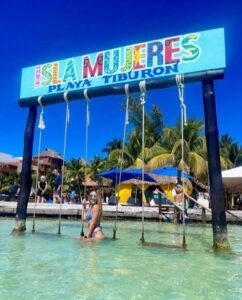
Isla Mujeres Things to Do: 15 Best Activities & Hidden Gems | MExplor
Isla Mujeres Things to Do: 15 Incredible Experiences You Shouldn’t Miss Just a short ferry ride from Cancun, Isla Mujeres is one of those Caribbean
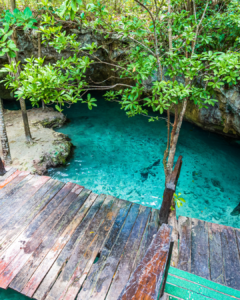
Cancun Cenotes Tour: Snorkeling & Custom Adventures
Cancun Cenotes Tour: Discover the Freshwater Side of the Mexican Caribbean Cancun makes it easy to fall into a pleasant routine: breakfast, beach, swimming and
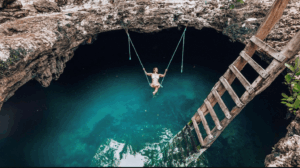
Cenote Excursion Cancun: Explore the Best Cenotes in the Riviera Maya | MExplor
Cenote Excursion Cancun: Discover the Hidden Underground Paradise of the Riviera Maya Cancun is famous for its turquoise Caribbean waters, white sandy beaches, and vibrant
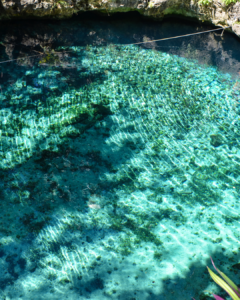
Playa del Carmen Cenotes: Swimming, Snorkeling & Diving
Playa del Carmen Cenotes: Discover the Riviera Maya Beyond the Beach The Caribbean coastline may bring you to the Riviera Maya, but the cenotes give
