

Cenotes in Mexico: A Complete Guide to Exploring These Natural Wonders
Hidden beneath the jungles of the Yucatán Peninsula is an extraordinary network of freshwater sinkholes, underground rivers and limestone caverns. Known as cenotes, these natural formations offer some of the most distinctive swimming, snorkeling, scuba-diving and photography experiences in Mexico.
From open-air pools illuminated by tropical sunlight to underground chambers filled with stalactites, every cenote presents a different environment.
MExplor creates personalized cenote experiences throughout the Riviera Maya and Yucatán Peninsula, connecting travelers with locations suited to their interests, experience and comfort in the water
What Is a Cenote?
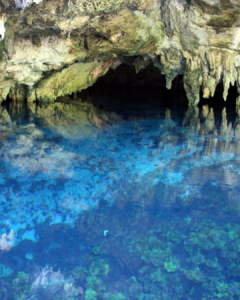
A cenote is a natural opening created when limestone bedrock collapses and exposes groundwater beneath the surface.
Rainwater slowly filters through the porous limestone of the Yucatán Peninsula, creating caves, underground passages and freshwater pools. Some cenotes are completely open, while others remain partially or fully enclosed.
Cenotes may be connected to larger underground river systems, even when they appear separate at the surface.
Why Are Cenotes Important in Mexico?
Cenotes have environmental, historical and cultural importance.
They provide habitats for specialized plants and animals and connect with underground freshwater systems. Because the Yucatán Peninsula has few surface rivers, these subterranean water sources have also been important to local communities for centuries.
For the ancient Maya, cenotes served as water sources and sacred spaces. Some were associated with ceremonies, offerings and connections to the spiritual world.
Visitors should therefore approach these environments as natural and cultural heritage—not simply as swimming pools.
Types of Cenotes in Mexico
The shape of a cenote influences its lighting, accessibility and available activities.
| Type of cenote | Main characteristics | Suitable activities |
|---|---|---|
| Open cenote | Resembles a natural outdoor pool | Swimming, snorkeling and photography |
| Semi-open cenote | Partially covered by rock | Swimming, snorkeling and light-beam photography |
| Cavern cenote | Large covered chamber with visible entrance light | Guided snorkeling and certified cavern diving |
| Cave cenote | Enclosed underground passages | Specialized cave diving only |
| Deep cenote | Vertical walls and greater depth | Scuba diving and freediving with proper supervision |
Not every cenote is appropriate for every activity. Access depends on depth, overhead conditions, local rules and participant experience.
Best Areas to Find Cenotes
Cenotes Near Cancún
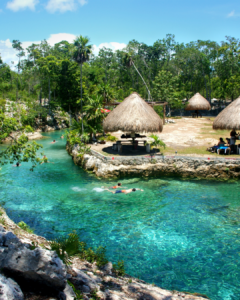
Cancún does not contain the same concentration of cenotes as inland areas, but travelers can reach several locations along the route toward Puerto Morelos and the Riviera Maya.
These trips can be combined with:
- Jungle excursions
- Swimming
- Ziplining
- Snorkeling
- Photography
- Cultural experiences
Transportation should be considered because many cenotes are outside the main hotel area.
Puerto Morelos and the Ruta de los Cenotes
The area inland from Puerto Morelos is known for numerous cenotes surrounded by tropical vegetation.
Different locations offer activities such as:
- Swimming
- Snorkeling
- Diving
- Ziplining
- Cycling
- Nature observation
- Underwater photography
Puerto Morelos can serve as a convenient base for exploring both cenotes and the Caribbean reef.
Cenotes Near Playa del Carmen
Playa del Carmen provides access to cenotes located between the coast and inland communities.
Divers can also use Playa del Carmen as a starting point for combining reef diving, Cozumel and cenote diving within the same vacation.
Cenotes Near Tulum
Tulum is one of the principal destinations for cenote exploration. The surrounding region contains open, semi-open and cavern-style sites.
Experiences may include:
- Recreational swimming
- Guided snorkeling
- Scuba diving
- Freediving
- Underwater photography
- Jungle excursions
Some popular sites become crowded, so early departures may provide a calmer experience.
Swimming in Cenotes
Swimming is the most accessible way to experience a cenote. However, conditions vary significantly.
Before entering, check:
- Water depth
- Entry and exit points
- Availability of life jackets
- Slippery surfaces
- Natural currents
- Restricted sections
- Water temperature
- Your own swimming ability
Some cenotes have shallow areas, while others become deep almost immediately.
Travelers who are not confident swimmers should wear a properly fitted flotation device and remain near a guide.
Snorkeling in Cenotes
Snorkeling allows visitors to observe submerged rock formations, roots, freshwater fish and beams of natural light from the surface.
A guided snorkeling experience may include:
- Mask
- Snorkel
- Fins
- Life jacket
- Wetsuit
- Entrance fees
- Local guide
- Transportation
- Water and snacks
Because cenote water can be cooler than the Caribbean Sea, a wetsuit may improve comfort during longer sessions.
Cenote Diving in Mexico
Cenote diving offers certified scuba divers an environment that is completely different from ocean diving.
Divers may encounter:
- Exceptional water clarity
- Limestone formations
- Stalactites and stalagmites
- Natural light zones
- Haloclines
- Submerged roots
- Cavern passages
- Fossils and geological formations
Cenote diving requires careful buoyancy, controlled finning and respect for the guide’s route.
Cavern Diving vs. Cave Diving
These terms should not be used interchangeably.
| Cavern diving | Cave diving |
|---|---|
| Takes place within the natural-light zone | Extends beyond the natural-light zone |
| Recreational routes may be available | Requires specialized technical training |
| Direct route toward open water remains visible | Open water may not be visible |
| Conducted with a qualified cavern guide | Conducted by properly certified cave divers |
| Limited penetration and route restrictions | Requires advanced equipment and procedures |
An Open Water certification does not qualify a diver to enter cave environments beyond approved recreational cavern routes.

Popular Cenotes for Certified Divers
Dos Ojos
Dos Ojos is known for its clear water, connected cavern areas and limestone formations. Different routes provide distinctive lighting and underwater scenery.
The Pit
The Pit is recognized for its depth, vertical entrance and dramatic sunlight penetrating the water.
Its depth and dive profile require careful planning and appropriate experience.
Chac Mool
Chac Mool offers cavern routes where divers may observe limestone formations, light effects and a halocline.
Tajma Ha
Tajma Ha features enclosed sections, formations and changing light conditions. Strong buoyancy and good situational awareness are important.
Casa Cenote
Casa Cenote is an open-water cenote connected to an underground system near the coast. Its mangrove environment creates a different experience from enclosed cavern sites.
Angelita
Angelita is known for its depth and unusual underwater visual layers. It is generally better suited to advanced divers with appropriate experience.
Site selection should always be based on certification, recent dives and individual comfort—not only on photographs or popularity.
What Is a Halocline?
A halocline forms where freshwater and saltwater meet.
Because the two types of water have different densities, passing through the boundary can create a blurred or shimmering visual effect. Once the water settles, visibility normally becomes clear again.
Haloclines can be observed in selected cenotes connected to coastal underground systems.
Freediving in Cenotes
Cenotes can provide calm surfaces and clear water for freediving. Selected locations may be suitable for line training, equalization practice and underwater photography.
Freediving must always follow proper safety procedures:
- Never freedive alone
- Use a trained buddy
- Avoid hyperventilation
- Follow appropriate recovery intervals
- Remain within your certification and abilities
- Use a buoy and line when required
- Stay out of overhead areas without specialized training
Clear water can make distances appear shorter than they are, so depth must be monitored carefully.
Underwater Photography in Cenotes
Cenotes offer exceptional conditions for photographing light, rock formations and people underwater.
Popular photographic elements include:
- Light beams
- Reflections
- Limestone formations
- Submerged trees and roots
- Haloclines
- Freediver silhouettes
- Scuba divers entering cavern zones
- Split-level compositions
- Jungle surroundings
Professional photography allows participants to enjoy the activity without dividing their attention between the experience and the camera.
Depending on the service, coverage may include:
- Edited underwater photographs
- Professional camera photography
- GoPro or Insta360 footage
- Short edited videos
- Portrait direction
- Vertical content for social media
Commercial photography may require additional permission from the cenote operator.
Best Time to Visit Cenotes in Mexico
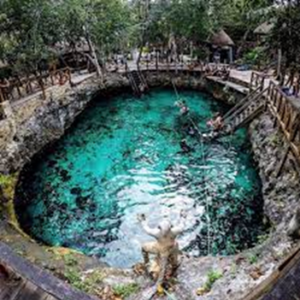
Cenotes can be visited throughout the year, but the experience changes according to weather, rainfall and visitor volume.
| Period | General conditions | Considerations |
|---|---|---|
| November–April | Generally drier conditions | Popular season with more visitors |
| May–August | Hotter weather outside the water | Cenotes offer relief from the heat |
| September–October | Greater possibility of rain and storms | Conditions and access may change |
| Early morning | Cooler and generally quieter | Often preferred for photography |
| Midday | Stronger overhead light at selected sites | Can create dramatic light beams |
Light-beam conditions depend on the cenote’s shape, weather and sun position.
What to Bring
Recommended items include:
- Swimsuit
- Towel
- Comfortable shoes
- Change of clothes
- Reusable water bottle
- Waterproof bag
- Personal medication
- Cash for local purchases
- Waterproof camera
- Light long-sleeved clothing
- Biodegradable personal products when permitted
Many operators require visitors to shower before entering the water.
Sunscreen and Water Protection
Even products marketed as biodegradable can introduce substances into freshwater systems.
The most responsible approach is to:
- Avoid applying sunscreen before entering
- Wear a rash guard for sun protection
- Shower before swimming
- Avoid lotions, perfumes and makeup
- Follow the cenote’s environmental rules
- Never use soap or shampoo in the water
Cenotes are connected to sensitive underground aquifers, so preventing contamination is essential.
Combining Cenotes With Other Experiences
A cenote excursion can be part of a broader Riviera Maya itinerary.
MExplor can combine cenote exploration with:
- Caribbean reef snorkeling
- Scuba diving
- Freediving
- Underwater photography
- Birdwatching
- Jungle cycling
- Cultural visits
- Local food
- Salsa or bachata classes
- Personalized adventure camps
Combining activities allows travelers to experience both the underground freshwater system and the Caribbean coast.
What Can a Cenote Package Include?
Depending on the selected experience, a package may include:
- Cenote entrance
- Local guide
- Ground transportation
- Swimming or snorkeling equipment
- Full scuba equipment
- Diving flashlight
- Certified cavern guide
- Water and snacks
- Lunch
- Professional photography
- Edited photographs and video
Always confirm the inclusions, meeting point, activity duration and certification requirements before booking.
