

PADI Freediver: A Complete Guide to Learning Freediving and Exploring Mexico on One Breath
There is something very different about entering the water without a scuba tank on your back.
You take a breath, slip beneath the surface, and suddenly everything becomes quieter. No bubbles. No regulator. No heavy equipment. Just you, the water, and however long that breath comfortably lasts.
That simplicity is one of the reasons freediving has become such an attractive activity for travelers who want to experience the ocean in a more natural way. And for many beginners, becoming a PADI Freediver is one of the most accessible ways to learn how to do it safely.
A PADI Freediver course is not about seeing who can hold their breath the longest. It teaches relaxation, breathing, equalization, movement, buddy procedures, and safety so that you can understand what your body is doing underwater instead of simply hoping for the best.
That becomes particularly interesting in Mexico, where freedivers can train in the sea, explore tropical waters and, in some regions, experience the surreal visibility of freshwater cenotes.
Whether you are planning a vacation around freediving or simply wondering whether a PADI Freediver certification is worth adding to your trip, this guide covers what you should know before getting in the water.
What Is a PADI Freediver?
A PADI Freediver is someone who has completed the entry-level freediving program offered through PADI, the Professional Association of Diving Instructors.
The course introduces the basic skills required to freedive safely and comfortably.
Unlike scuba diving, where you breathe from a tank underwater, freediving is performed on a single breath. That means training focuses heavily on understanding breathing, relaxation, equalization, efficient movement and safety procedures.
According to PADI, no previous experience with snorkeling, skin diving or freediving is required to begin its freediving program. PADI
For many travelers, that makes the PADI Freediver course a practical introduction to the sport rather than something reserved for athletes.
You do not need to arrive casually holding your breath for four minutes while everyone at the pool watches in disbelief.
You are there to learn.
Why Take a PADI Freediver Course?
People start freediving for very different reasons.
Some want to improve their snorkeling skills.
Others are scuba divers who want to experience marine life without tanks.
Photographers may want greater freedom underwater, while travelers simply discover freediving after seeing someone descend effortlessly into a cenote or coral reef.
A structured PADI Freediver course gives you something that watching freediving videos online cannot: supervised practice.
Freediving involves physiological changes and risks that are not always obvious from the surface. PADI specifically warns that untrained freedivers can face injuries involving the ears, sinuses or lungs, as well as loss of consciousness underwater. PADI
Proper instruction helps you understand how to manage those risks.
The benefits include:
- Learning proper breathing and relaxation techniques
- Improving equalization
- Using fins more efficiently
- Understanding safe depth progression
- Learning how to act as a freediving buddy
- Practicing rescue procedures
- Becoming more comfortable underwater
The biggest change many beginners notice is not necessarily how deep they can dive.
It is how calm they become while doing it.
What Does the PADI Freediver Course Include?
A typical PADI Freediver course combines theory, confined-water training and open-water sessions.
PADI describes three main components: knowledge development, confined-water practice and open-water freediving. PADI
Knowledge development
Before heading into deeper water, you learn what happens to your body while freediving.
Topics normally include:
- Freediving physiology
- Breathing techniques
- Equalization
- Equipo
- Safety
- Buddy procedures
- Proper freediving technique
Part of this may be completed through PADI eLearning.
That is useful if you are traveling because you can complete much of the theory before arriving at your destination.
Confined-water training
The next step usually takes place in a swimming pool or calm shallow water.
This is where you begin practicing breath-hold exercises under supervision.
Two important disciplines are introduced:
Static apnea means holding your breath while remaining still at the surface.
Dynamic apnea involves swimming underwater horizontally while holding your breath.
For the standard PADI Freediver certification, course performance goals include a 90-second static apnea and a 25-meter dynamic apnea. PADI Travel
These are training benchmarks, not a competition.
Open-water freediving
Once you move into open water, the experience begins to feel much more like the freediving people imagine.
Instead of swimming horizontally across a pool, you descend vertically.
Students practice techniques such as constant-weight freediving and free immersion while continuing to work on relaxation, equalization and buddy procedures.
A common PADI Freediver course goal is reaching approximately 10 meters or 30 feet using constant weight. PADI Travel
For many first-time freedivers, those first calm descents are where the sport begins to make sense.
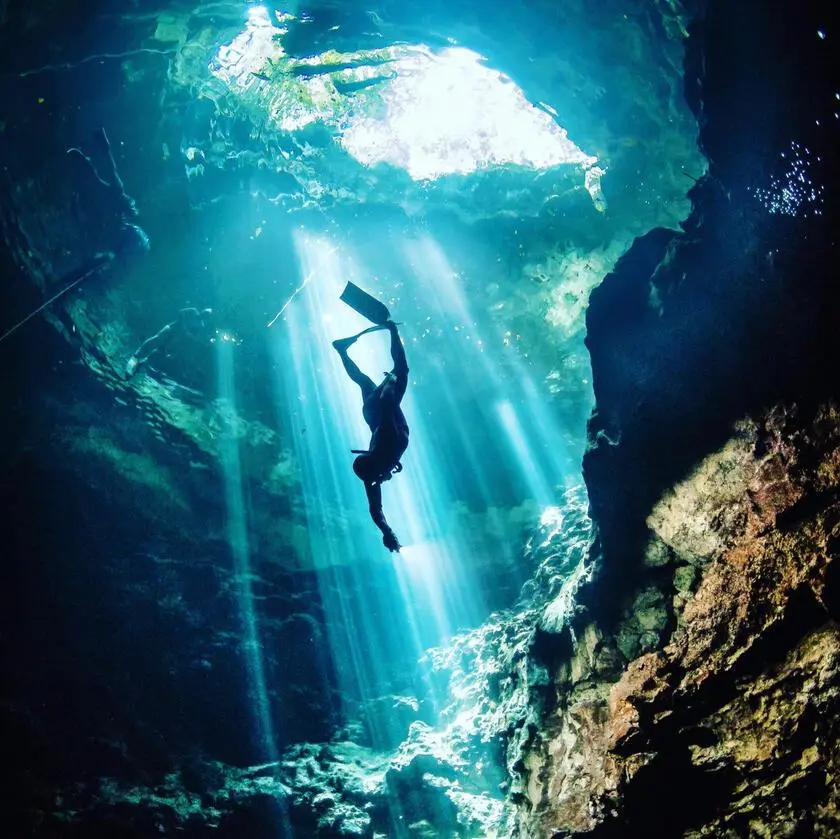
PADI Freediver Requirements for Beginners
You do not need previous freediving certification to start.
However, you do need to be reasonably comfortable in the water.
PADI’s official freediving FAQ states that students must demonstrate basic swimming ability by completing either a 200-meter swim or a 300-meter swim while using mask, fins and snorkel. The swim is not timed. PADI
The standard PADI Freediver course has a minimum age requirement of 15 according to PADI’s current FAQ, while younger participants can access other programs such as Basic Freediver. PADI
Students also complete a medical questionnaire.
Certain medical conditions may require clearance from a physician before training begins.
The most useful prerequisite, however, is simple:
You should already feel comfortable being in the water.
You do not have to be an elite swimmer. But if swimming across a pool already feels stressful, it makes sense to improve general water confidence before trying to relax several meters below the surface.
How Long Does a PADI Freediver Course Take?
The exact schedule depends on the instructor, location and student.
PADI recommends approximately 15 hours of training, and the overall course commonly takes two or three days. PADI
A typical schedule may look something like this:
| Day | Training |
|---|---|
| Dia 1 | Theory and breathing techniques |
| Day 1 or 2 | Confined-water practice |
| Dia 2 | Open-water freediving |
| Day 2 or 3 | Additional open-water training |
Some dive centers spread the sessions out more gradually.
That is not necessarily a bad thing.
Freediving improves when you are relaxed, rested and comfortable. Trying to squeeze everything into a rushed vacation schedule can work against the entire point of the activity.
What Equipment Does a PADI Freediver Use?
Freediving requires surprisingly little equipment compared with scuba diving.
Basic equipment generally includes:
- Low-volume mask
- Snorkel
- Freediving fins
- Wetsuit when appropriate
- Weight belt when required
- Freediving lanyard for certain training sessions
PADI lists mask, snorkel, fins, a possible weight belt and a wetsuit as the core equipment typically used in freediving. PADI
Freediving fins vs regular snorkeling fins
One of the first things you may notice is the fins.
Freediving fins are usually longer than normal snorkeling fins.
The extra length allows you to generate more propulsion with fewer kicks, helping conserve energy and oxygen during a descent.
They can feel slightly ridiculous while walking toward the water.
Underwater, they suddenly make much more sense.
What Does Freediving Feel Like?
The first surprise is often how much freediving depends on relaxation.
Beginners sometimes assume the goal is to take the biggest breath possible and fight against the urge to breathe.
Good freediving feels almost like the opposite.
You prepare calmly, breathe normally, relax and move efficiently.
As you descend, outside noise disappears.
The deeper you go, the more the water begins to change how you move and feel.
For many people, the experience becomes less about achieving a certain depth and more about becoming comfortable in an environment where humans normally feel slightly out of place.
That is also why freediving can become addictive.
Not adrenaline-addictive.
More like, “I suddenly want to spend every vacation floating around underwater” addictive.
PADI Freediver vs Scuba Diving
Freediving and scuba diving can take you into the same underwater environment, but the experience is very different.
| PADI Freediver | Buceo |
|---|---|
| Dive on one breath | Breathe underwater from a tank |
| Minimal equipment | More equipment |
| Shorter underwater visits | Longer bottom times |
| Quiet underwater movement | Bubbles and regulator breathing |
| Strong focus on breath control | Strong focus on equipment and gas management |
| Greater freedom of movement | Longer exploration at depth |
Neither is necessarily better.
They simply offer different ways to experience the ocean.
Many divers eventually enjoy both.
A scuba diver might spend 45 minutes slowly exploring a reef.
A freediver might descend repeatedly for shorter periods while moving quietly among fish.
Why Mexico Is Such an Interesting Destination for PADI Freediver Training
Mexico gives freedivers something relatively few destinations can offer: multiple types of training environments within the same trip.
Depending on where you travel, you may encounter:
- Caribbean reefs
- Calm protected bays
- Deep ocean
- Clear freshwater cenotes
- Rocky coastal environments
- Pelagic marine life
For travelers already visiting the Mexican Caribbean, freediving can easily become part of a broader vacation involving snorkeling, diving, cenote exploration or underwater photography.
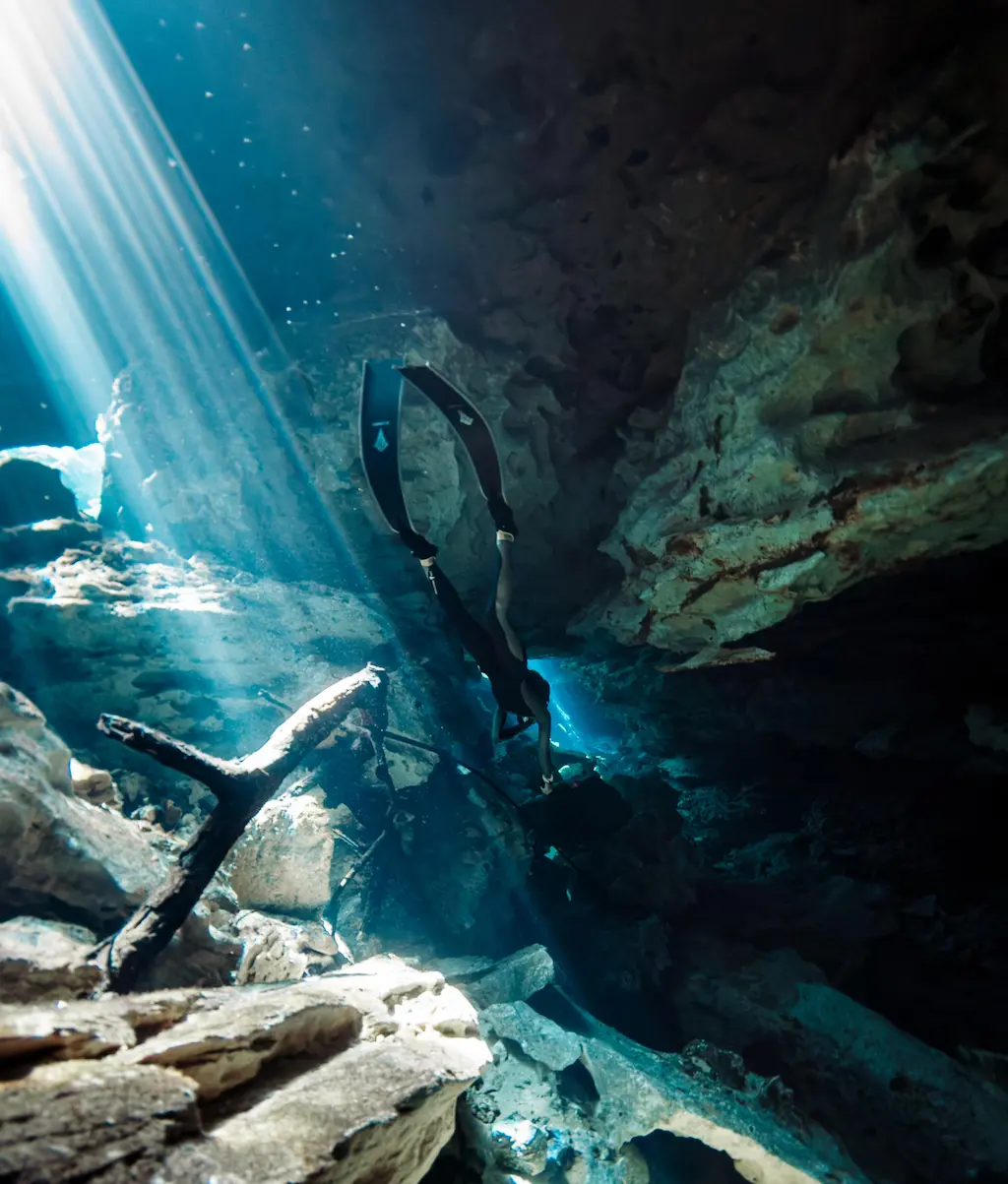
Freediving in the Mexican Caribbean
The Mexican Caribbean includes destinations such as Cancún, Puerto Morelos, Playa del Carmen, Cozumel and Tulum.
The region is particularly attractive because travelers can combine reef snorkeling with freshwater cenote experiences.
The Caribbean Sea generally offers warm tropical water and extensive reef systems.
Depending on location and season, marine life may include:
- Sea turtles
- Rays
- Barracuda
- Tropical reef fish
- Groupers
- Moray eels
- Nurse sharks in some areas
- Eagle rays seasonally in certain locations
Wildlife sightings are never guaranteed, of course.
The ocean has never been particularly interested in following tourism schedules.
PADI Freediver Training in Cenotes
Cenotes create a completely different freediving environment.
These natural limestone sinkholes are connected to the extensive underground freshwater systems of the Yucatán Peninsula.
Some cenotes have extremely clear water, vertical depth and little surface movement.
This can create excellent conditions for freediving training.
PADI listings in the Yucatán Peninsula include Freediver courses where open-water sessions are conducted in cenotes, illustrating how established these environments have become for formal training. PADI Travel
For travelers, however, cenotes are about more than training.
Imagine looking down and seeing sunlight disappear into deep blue freshwater while limestone walls surround you.
Then you descend.
It feels very different from diving into the ocean.
Ocean Freediving vs Cenote Freediving
Both environments have advantages.
| Ocean Freediving | Cenote Freediving |
|---|---|
| Marine life | Dramatic rock formations |
| Natural waves and currents | Usually calmer surface conditions |
| Reef exploration | Often exceptional visibility |
| Saltwater buoyancy | Freshwater buoyancy |
| Open-water environment | More enclosed natural setting |
Many freedivers enjoy combining both during a trip.
Cenotes can offer controlled training conditions, while the Caribbean Sea provides the wildlife and reef exploration that many travelers originally imagined when they decided to learn freediving.
Marine Life and the PADI Freediver Experience
One reason travelers become interested in freediving is the ability to encounter marine life quietly.
Scuba divers release streams of bubbles every time they exhale.
Freedivers do not.
That does not mean fish will automatically treat you like their new underwater friend, but your presence can be considerably quieter.
Freediving can be especially enjoyable around shallow reefs, where you can observe marine life from the surface before making short descents.
The goal should never be to chase animals.
Instead, move slowly and allow wildlife to behave naturally.
This is both safer and far better for underwater photography.
Freediving and Underwater Photography
Freediving and photography work surprisingly well together.
Without a tank and buoyancy-control device, photographers have greater freedom to move through the water.
That makes it easier to:
- Change shooting angles
- Approach subjects quietly
- Photograph reefs from below
- Capture sunlight from the surface
- Move through shallow environments
However, photography should come after basic freediving skills.
Trying to adjust camera settings while simultaneously thinking about equalization, depth, breath-hold time and your buddy is a lot for a beginner.
Learn to freedive first.
Bring the camera later.
Your photos will probably be better anyway.
Best Time of Year for PADI Freediver Training in Mexico
Freediving is possible throughout much of Mexico year-round, although conditions change by region.
For the Mexican Caribbean, travelers often prefer the drier months between roughly November and April because temperatures are comfortable and rainfall is generally lower.
Summer brings warmer weather and warmer water, but also higher humidity and an increased chance of tropical weather.
A simplified seasonal overview looks like this:
| Season | General Conditions | Freediving Considerations |
|---|---|---|
| November–February | Warm, generally drier | Comfortable travel weather |
| March–May | Hotter and relatively dry | Good water activity conditions |
| June–August | Hot and humid | Very warm water; more rainfall |
| September–October | Tropical weather more likely | Greater need for flexible plans |
Ocean conditions can change much faster than seasonal charts suggest.
A perfectly calm Caribbean morning can look very different by afternoon.
Always follow local instructor guidance.
Weather and Water Conditions for Freediving
For freediving, wind can be more important than air temperature.
Wind creates surface chop and can make boat access or open-water training less comfortable.
Currents also influence where and how training takes place.
Cenotes tend to offer more predictable water conditions because they are protected from ocean swell and most wind.
Water temperature is another factor.
Even in warm destinations, you can become surprisingly cold during freediving because you spend significant time floating or moving slowly.
That is why wetsuits are commonly used even in tropical locations.
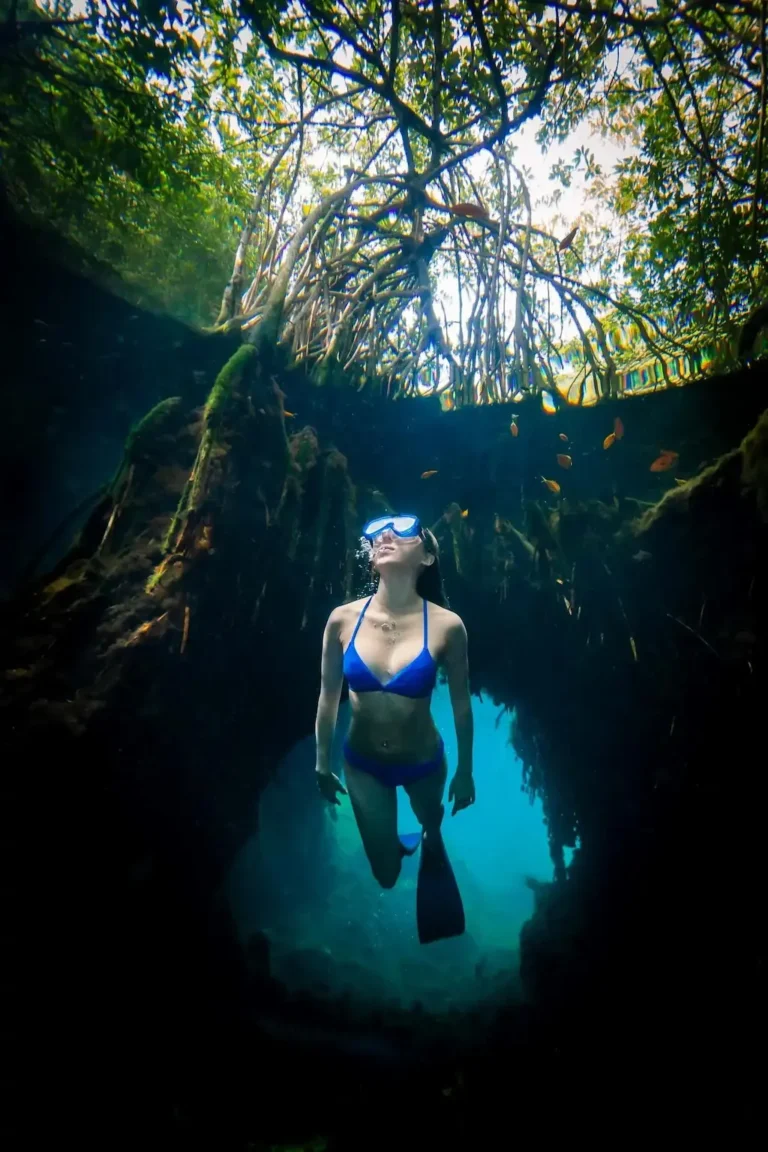
What to Expect on Your First PADI Freediver Day
Expect less dramatic diving during the first few hours than your Instagram feed may have suggested.
That is a good thing.
Your instructor will normally spend time reviewing breathing, safety and technique before deeper training begins.
You may practice:
- Relaxation breathing
- Breath holds
- Equalization
- Fin technique
- Duck dives
- Buddy positioning
- Surface recovery
- Rescue procedures
Once these become familiar, open-water descents feel much more natural.
One of the most useful lessons beginners learn is that freediving progress rarely comes from forcing yourself deeper.
It usually comes from becoming more relaxed.
Practical Tips Before Taking a PADI Freediver Course
A few simple decisions can make the course considerably more enjoyable.
Sleep well
Freediving while exhausted is not ideal.
Give yourself a proper night’s sleep before training.
Eat lightly before sessions
You do not necessarily need to train on an empty stomach, but a huge meal immediately before freediving is unlikely to improve the experience.
Stay hydrated
Travel, heat and sun can dehydrate you quickly in tropical destinations.
Avoid alcohol before training
Save the vacation margarita for afterward.
Your freediving instructor will appreciate that decision.
Protect your ears and sinuses
Equalization is essential in freediving.
If you have congestion or sinus pressure, tell your instructor.
Never force equalization.
Listen to your body
Depth is not the goal of every session.
Some days simply feel better than others underwater.
That is normal.
Common Beginner Mistakes in Freediving
Beginners often make surprisingly similar mistakes.
Trying too hard
Freediving rewards relaxation.
Tension consumes oxygen.
Looking straight down
Constantly staring toward the bottom can affect body position and create unnecessary neck tension.
Kicking too much
Efficient movement conserves energy.
More kicking does not automatically equal better freediving.
Comparing yourself with other students
Someone in your course may reach 15 meters easily.
Another person may struggle with equalization at five meters.
Both can become excellent freedivers.
Ignoring buddy procedures
This is the big one.
Freediving should never be practiced alone.
A properly trained buddy is an essential part of safe freediving.
Can You Freedive Without a PADI Freediver Certification?
Technically, people can hold their breath and dive underwater without certification.
That does not mean learning through trial and error is a sensible approach.
Many of the most important freediving risks are related to breath-hold physiology and can occur without much warning.
Structured instruction teaches you how to recognize problems and respond appropriately.
Even experienced swimmers can benefit from proper freediving training because swimming fitness and breath-hold safety are not the same thing.
What Comes After PADI Freediver?
For many travelers, the entry-level course is only the beginning.
PADI offers additional freediving education, including Advanced Freediver and Master Freediver programs. PADI
Advanced training introduces deeper dives, longer breath holds and more developed safety and rescue techniques.
For example, PADI’s Advanced Freediver program introduces training goals around deeper constant-weight freediving and longer static and dynamic apnea performances. PADI Travel
But there is no requirement to turn freediving into a constant search for greater depth.
Plenty of certified freedivers simply use their skills to snorkel better, explore reefs, photograph marine life or enjoy cenotes.
Is PADI Freediver Worth It for Travelers?
If your vacation already revolves around the water, it can be.
A PADI Freediver certification changes how you interact with underwater environments.
Instead of staying exclusively at the surface while snorkeling, you develop the skills to descend comfortably and explore below it.
Instead of relying purely on instinct, you understand what your body is doing.
And rather than chasing depth immediately, you learn how to approach freediving gradually and safely.
That makes the course particularly relevant for people who enjoy:
- Snorkeling
- Buceo
- Marine wildlife
- Cenotes
- Underwater photography
- Ocean travel
- Adventure tourism
Combining PADI Freediver Training With a Mexican Caribbean Vacation
One advantage of learning in the Mexican Caribbean is that your trip does not have to revolve exclusively around training.
A vacation could combine:
- PADI Freediver training
- Reef snorkeling
- Cenote exploration
- Buceo
- Underwater photography
- Coastal towns
- Salsa or bachata nights
That mixture is exactly what makes destinations such as Puerto Morelos, Playa del Carmen, Cozumel and Tulum appealing to active travelers.
You can spend the morning underwater and still have the afternoon available to explore.
Although after several hours of freediving, sitting somewhere with tacos may suddenly qualify as the afternoon’s main adventure.
Final Thoughts: Becoming a PADI Freediver in Mexico
Becoming a PADI Freediver is less about learning how long you can survive without breathing and more about learning how to move calmly and safely underwater.
The course introduces proper breath-hold techniques, equalization, open-water diving, buddy procedures and rescue skills while allowing students to progress gradually. For travelers, Mexico provides an unusually diverse place to learn.
You can experience tropical reefs in the Mexican Caribbean, freshwater cenotes across the Yucatán Peninsula and entirely different marine environments in Baja California Sur. Most importantly, becoming a PADI Freediver can change the way you experience water.
A reef stops being something you only observe from above, a cenote becomes more than a swimming hole and that quiet blue space beneath the surface suddenly becomes somewhere you know how to explore.
For travelers building a water-focused vacation in Mexico, MExplor can also help connect freediving with other experiences such as cenote exploration, snorkeling, underwater photography and customized itineraries throughout the Mexican Caribbean.
