

Wildlife Photography Trips: Discover the Mexican Caribbean Through Your Lens
A bird lands on a branch just as the light reaches its feathers. A fish moves through the reef, briefly separating itself from the background. You raise your camera, adjust your position and wait—because wildlife rarely follows the itinerary, however carefully you planned it.
That unpredictability is part of what makes wildlife photography trips rewarding. You travel with a purpose, spend more time observing your surroundings and return with photographs that tell a story about the places you explored.
The Mexican Caribbean offers opportunities to combine photography on land with suitable experiences in the water. With MExplor Photography Camp and Custom Camp, you can discuss a vacation built around your photographic interests, experience and preferred pace.
Whether you are learning to photograph birds or want to include marine life in your travel portfolio, this guide explains how to plan wildlife photography trips that balance creativity, practical preparation and respect for nature.
What Are Wildlife Photography Trips?
Wildlife photography trips are travel experiences organized around photographing animals in their natural surroundings. They can involve birdwatching walks, coastal outings, guided snorkeling or scuba diving, depending on the destination and participants.
The difference from a general sightseeing excursion is often the pace. Photographers need time to observe behavior, consider the background and wait for a useful moment rather than move quickly from one stop to another.
A photography-focused itinerary should explain whether the experience includes technical instruction, a nature guide or both. Knowing that distinction helps you choose the support you actually want.
| Trip format | Main focus | Who may enjoy it |
|---|---|---|
| Bird photography outing | Observing and photographing birds | Travelers interested in wildlife on land |
| Coastal nature experience | Wildlife within a wider landscape | Photographers who enjoy environmental images |
| Snorkeling photography | Marine subjects near the surface | Confident swimmers seeking a water-based experience |
| Scuba photography | Wildlife and scenery underwater | Certified divers with suitable skills |
| Multi-day photography camp | Several outings with time to develop ideas | Travelers making photography a vacation priority |
| Personalized Custom Camp | Photography combined with selected activities | Couples, friends and groups with different interests |
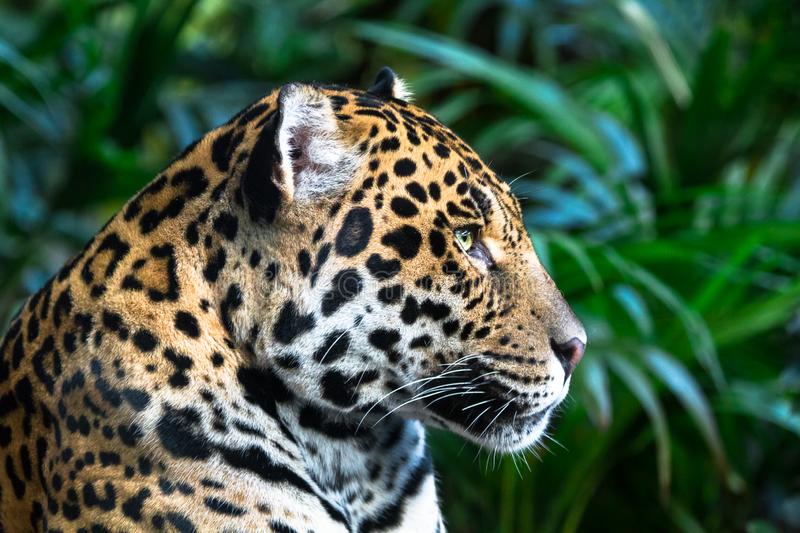
Why Plan Wildlife Photography Trips in the Mexican Caribbean?
A photography vacation in the Mexican Caribbean can extend beyond beach landscapes. You can discuss bird-focused outings, nature photography and marine experiences within the same regional trip.
The contrast between land and water can also help you create a more varied collection of images. A sequence of photographs might move from a bird in its habitat to coastal scenery and then underwater subjects, giving your trip a broader visual story.
MExplor’s Photography Camp page identifies birdwatching, underwater photography and nature as areas of focus. Its offering provides a starting point for discussing the environments you would like to include.
For wildlife photography trips, variety is useful when it supports your interests. You do not need to visit every location or photograph every type of animal to return with meaningful work.
Bird Photography: Slow Down and Observe
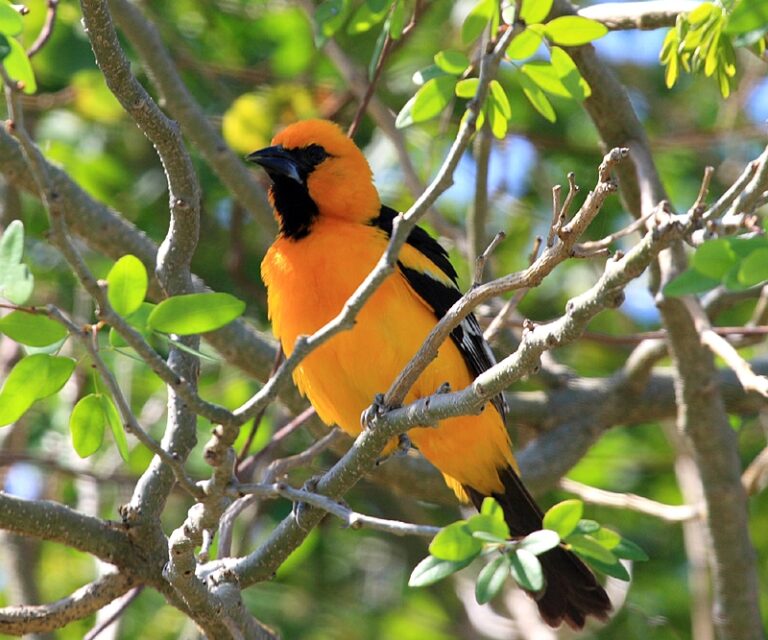
Bird photography rewards attention as much as equipment. Before raising the camera, watch how the bird moves, where it pauses and whether the surroundings offer a clear background.
A guided birdwatching outing can help you understand what you are seeing and where to direct your attention. Ask whether the route and pace can accommodate photography, since a walk designed mainly for species identification may have different priorities.
MExplor offers personalized birdwatching outings in the Mexican Caribbean and describes options for adapting the route and pace to bird and nature photography. Confirm the specific arrangements for your dates.
Choose Behavior Over a Species Checklist
A photograph of a familiar bird doing something interesting can be more compelling than a distant image of a rarer subject. Look for feeding, movement or interaction that you can observe without disturbing the animal.
During wildlife photography trips, give yourself permission to stay with one scene. Waiting patiently can reveal opportunities that disappear when you move on too quickly.
Include the Habitat
Not every photograph needs to fill the frame with the animal. A wider image can show how a bird relates to the vegetation, shoreline or light around it.
Try creating both closer views and environmental compositions when conditions allow. Together, they can tell a more complete story than a series of similar portraits.
Marine Wildlife Photography Trips
Marine photography adds another dimension to a Caribbean vacation. It also requires preparation beyond choosing camera settings, because your comfort in the water directly affects your ability to concentrate on a subject.
Discuss whether snorkeling or scuba diving is appropriate for your goals. The activity should match your swimming confidence, certification and recent experience before camera use enters the plan.
Photographing While Snorkeling
Snorkeling can provide opportunities to photograph marine subjects from the surface or just below it, depending on the activity and conditions. You still need to remain aware of the guide, other participants and your surroundings.
Before booking, ask whether photography fits the outing’s pace and procedures. A waterproof camera does not make every snorkeling excursion a dedicated photography session.
Photographing While Scuba Diving
Underwater wildlife photography trips involving scuba should be planned around suitable diving skills. Stable buoyancy, equipment familiarity and awareness of your buddy remain essential while operating a camera.
If diving still requires most of your attention, discuss beginning with camera-free outings. Becoming comfortable first can make later photography both easier and more enjoyable.
Work with the Conditions
Current, visibility and the group’s route affect photographic opportunities. A site that is enjoyable for diving may not allow you to remain beside one subject for long.
Share your interests with the team before booking. Ask how the planned dives accommodate photography while keeping the group together and following the briefing.
Discover MExplor Photography Camp
MExplor Photography Camp is an option to explore when you want photography to shape your vacation. Ask about the current program, its locations and the balance between field experiences and any instruction offered.
Multi-day wildlife photography trips give you time to notice what works and adjust your approach. You might review an outing’s images, identify a recurring problem and approach the next session with a clearer goal.
Confirm the details that matter to you: group size, guide or instructor background, activity requirements and whether image review or editing sessions are included. A photography camp should make its learning opportunities as clear as its travel arrangements.
Set a Photographic Goal
Choose something specific to work on during the trip. You might want cleaner backgrounds, more confident exposure decisions or a better balance between animal portraits and habitat images.
A focused goal gives you direction without requiring every photograph to be successful. Wildlife photography involves missed moments, and reviewing them can still be useful.
Leave Time to Review Your Images
Looking through your photographs while the experience is fresh can reveal practical improvements. You may notice that your shutter speed was too slow or that a different position would have simplified the background.
Ask how much downtime the itinerary provides. A busy schedule with no opportunity to review or back up images may not suit the way you want to work.

Personalized Wildlife Photography Trips with MExplor Custom Camp
MExplor Custom Camp gives you another way to plan a photography-focused getaway. You can discuss an itinerary combining your interests with accommodation, selected activities and transportation.
MExplor’s published Custom Camp options include birdwatching, sunrise or sunset photography, snorkeling and scuba experiences, alongside activities such as dance and wellness. The final inclusions depend on your proposal.
For couples or friends, this flexibility can help accommodate different priorities. One traveler may want several photography outings while another prefers ocean activities or more downtime.
When requesting wildlife photography trips through a Custom Camp, explain what you want to photograph and how much time you want to dedicate to it. Also mention whether you need technical instruction, natural history guidance or simply a carefully coordinated itinerary.
Staying at MExplor House in Puerto Morelos
Accommodation should support the practical needs of your trip. You need somewhere comfortable to rest, charge batteries and organize your equipment between outings.
MExplor House in Puerto Morelos is an accommodation option to discuss for your Custom Camp. Confirm room arrangements, shared facilities and how the location connects with your selected activities. mexplor.co
Early photography departures can influence breakfast and transportation arrangements. Ask how those details work rather than assuming a general vacation schedule will suit every outing.
For wildlife photography trips, downtime is also useful. Leave space to back up files and prepare equipment without turning every evening into a race against tomorrow’s alarm.
What Equipment Should You Bring?
Choose equipment around the proposed activities and your familiarity with it. A manageable setup that you understand is often more useful than a bag full of unfamiliar lenses.
For land-based wildlife photography, longer lenses can help photograph subjects from a respectful distance. Underwater photography requires equipment specifically suitable for the camera, activity and operating depth.
| Equipo | Why it may be useful |
|---|---|
| Familiar camera | Faster decisions when opportunities appear |
| Suitable telephoto lens | Wildlife images without approaching too closely |
| Spare batteries | Longer outings and repeated sessions |
| Extra memory cards | Backup capacity during the trip |
| Protective bag or rain cover | Protection during travel and changing weather |
| Lens cloths | Cleaning water droplets and everyday marks |
| Backup storage | A second copy of your photographs |
| Appropriate underwater housing | Protection for compatible cameras in water |
Do You Need Professional Equipment?
You do not need the most expensive setup to enjoy wildlife photography trips. Your existing camera can help you practice observation, composition and timing.
A phone may work for wider nature scenes or larger, nearby subjects, but it has limitations with distant wildlife. Share what you own before booking so the team understands your expectations.
Confirm Rental Equipment Separately
Do not assume cameras, lenses or underwater housings are included. Ask what is available, what it costs and whether you will have time to become familiar with it.
Test unfamiliar equipment before an important outing whenever possible. A moving animal is an unforgiving place to discover that you do not know how to change autofocus settings.
Camera Settings to Practice Before Traveling
Wildlife photography involves changing light and moving subjects. Practice adjusting shutter speed, aperture, ISO and autofocus with your own equipment before departure.
For moving animals, a faster shutter speed can help reduce motion blur, while continuous autofocus may help track movement. The appropriate settings depend on the subject, light, lens and effect you want.
There is no single setting that works for all wildlife photography trips. Learning to recognize why an image is blurred or poorly exposed is more useful than memorizing one combination of numbers.
Responsible Wildlife Photography
The animal’s welfare should guide your decisions. If getting a photograph requires interrupting natural behavior or damaging habitat, choose a different opportunity.
Audubon recommends using a telephoto lens, maintaining enough distance for birds to behave naturally and avoiding recorded bird calls used to attract subjects. These practices help keep bird photography focused on observation.
Apply the same patient approach during marine outings. Avoid touching animals, chasing them or making contact with coral to stabilize your camera.
During wildlife photography trips:
- Follow the guide’s instructions and local access rules.
- Give animals room to move away.
- Avoid feeding or baiting subjects for photographs.
- Keep equipment clear of vegetation, coral and formations.
- Step back if your presence appears to change an animal’s behavior.
- Be careful about sharing precise locations of sensitive wildlife.
Responsible practices can also improve your photographs. Animals behaving naturally provide more interesting moments than animals reacting to a photographer approaching too closely.
When Should You Plan Wildlife Photography Trips?
Choose your dates around the subjects and activities you care about most. Ask what can reasonably be observed during that period without expecting a particular animal to appear on demand.
Light, rainfall and sea conditions can influence an outing, while wildlife activity changes from day to day. Early starts may be useful for some routes, but the timing should reflect the location and photographic goal.
Build flexibility into multi-day wildlife photography trips. A varied itinerary gives you more opportunities to work with the conditions, although every alternative still needs to be appropriate for the group.
A Sample Five-Day Photography Getaway
A photography vacation should balance field time with rest and image review. The following example illustrates a possible structure to discuss with MExplor.
It is a planning idea, rather than a fixed camp schedule or a promise of particular wildlife sightings.
| Day | Possible focus | Photographic priority |
|---|---|---|
| Dia 1 | Arrival and equipment preparation | Review goals and practical arrangements |
| Dia 2 | Guided bird and nature outing | Observation, timing and backgrounds |
| Dia 3 | Suitable marine experience | Water comfort and environmental images |
| Dia 4 | Another selected nature outing | Apply lessons from earlier sessions |
| Dia 5 | Departure | Complete backups and organize files |
Adjust the schedule to your experience and interests. If scuba is included, account for the appropriate interval between your final dive and flight.

Frequently Asked Questions About Wildlife Photography Trips
1. Can Beginners Join Wildlife Photography Trips?
Yes, when the experience suits their level. Explain your equipment and goals, and confirm whether technical instruction is included or the outing focuses mainly on nature observation.
2. Are Wildlife Sightings Guaranteed?
No. Animals move freely, and sightings depend on conditions and behavior. A useful itinerary creates opportunities without promising a specific encounter.
3. Can I Combine Bird and Underwater Photography?
Discuss a mixed itinerary with MExplor. Water-based activities need to match your swimming or diving experience, and camera use should fit the outing’s procedures.
4. Should I Choose Photography Camp or Custom Camp?
Explore Photography Camp when photography is your main vacation priority. Discuss Custom Camp when you want a personalized combination of photography, accommodation and other experiences.
5. Can My Partner Join Without Being a Photographer?
Ask about activities and arrangements that suit both travelers. A personalized trip can make room for different interests while preserving shared time.
6. Is Camera Equipment Included?
Confirm equipment availability separately. Bring a clear list of what you own and what you would need to rent before accepting a proposal.
Plan Your Wildlife Photography Trip with MExplor
The most rewarding wildlife photography trips give you time to observe, experiment and enjoy the environment. Your photographs become part of the experience, alongside the patience and curiosity that helped you create them.
MExplor Photography Camp is an option for a photography-focused vacation, while Campamentos Personalizados allows you to combine wildlife photography with accommodation and selected Caribbean experiences.
