

Freediving Trips: Explore Puerto Morelos One Breath at a Time
There are vacations where you spend most of the time looking at the ocean. Then there are freediving trips, where you actually become part of it.
Instead of carrying a tank underwater, freediving is about moving beneath the surface on a single breath. That simplicity changes the entire experience. There is less equipment, less noise and often a much stronger feeling of being connected to the environment around you.
A freediving vacation can mean descending through the clear blue water of the Caribbean, exploring a freshwater cenote surrounded by limestone formations, practicing breath control with an instructor or simply spending several days discovering places that most travelers only see from the surface.
Mexico is particularly interesting because you do not have to choose just one type of underwater environment. The Yucatán Peninsula combines Caribbean reefs, warm coastal water and an enormous network of cenotes, while other parts of the country offer completely different marine landscapes.
The result? Freediving trips can become much more than diving vacations. They can be adventure trips built around water, wildlife, nature, food, culture and a healthy amount of wondering why you ever thought sitting beside a hotel pool for seven days sounded exciting.
What Are Freediving Trips?
Freediving trips are vacations or organized adventures where freediving becomes one of the main activities.
Some are focused heavily on training. Others are closer to underwater exploration trips where travelers visit reefs, cenotes or wildlife destinations with experienced guides. Many combine both.
A typical freediving trip might include:
Guided ocean or cenote sessions
Freediving instruction or technique practice
Reef exploration
Marine life encounters
Underwater photography
Snorkeling
Rest and recovery days
Local food and cultural experiences
Beach or nature excursions
This flexibility is one reason freediving trips appeal to travelers who want something more active than a normal beach vacation without turning every day into a serious athletic training program.
You can train hard if that is your goal.
You can also simply spend your vacation learning how to feel more comfortable underwater.
Why Freediving Trips Feel Different From Regular Beach Vacations
Most tropical vacations keep the ocean in the background.
You wake up near it. You eat beside it. You photograph it. Maybe you swim for twenty minutes before returning to your lounge chair.
A freediving vacation makes the water part of the actual journey.
You begin noticing conditions you probably ignored before: visibility, currents, sunlight, depth and marine life. One day might involve calm turquoise water over a reef. The next could take you inland into the jungle to explore a cenote.
That variety makes the trip feel less like staying at a resort and more like exploring a destination.
There is also something pleasantly simple about freediving. The goal is not necessarily to reach an impressive depth. Especially for recreational travelers, much of the appeal comes from slowing down, learning to breathe calmly and moving through the water without constantly fighting against it.
Why Puerto Morelos Is Ideal for Freediving Trips
Mexico gives freedivers something relatively unusual: several very different underwater environments within the same country.
In the Mexican Caribbean, other destinations such as Cancún, Playa del Carmen, Tulum and Cozumel provide access to tropical ocean environments. Travel inland and the scenery changes completely, with cenotes and underground freshwater systems scattered throughout the Yucatán Peninsula.
Mexico’s official tourism information highlights Quintana Roo for its Caribbean waters, coral reefs, turtles and extensive cenote experiences.
That means a single itinerary can include both ocean and freshwater exploration without requiring another international flight.
For adventurous travelers, that is difficult to beat.
Cenote Freediving: One of Mexico’s Most Unique Experiences
You can freedive in tropical oceans around the world.
Cenotes are different.
These natural freshwater openings are connected to the underground geological systems that define much of the Yucatán Peninsula. Some are open pools surrounded by jungle. Others sit partially or completely inside caves, with rock formations and shafts of sunlight creating an atmosphere that feels almost unreal.
Official Mexican tourism resources describe cenotes in the region as clear underground pools surrounded by limestone formations, stalactites and cave systems that developed over thousands of years.
For freedivers, the attraction is not simply depth.
It is the environment.
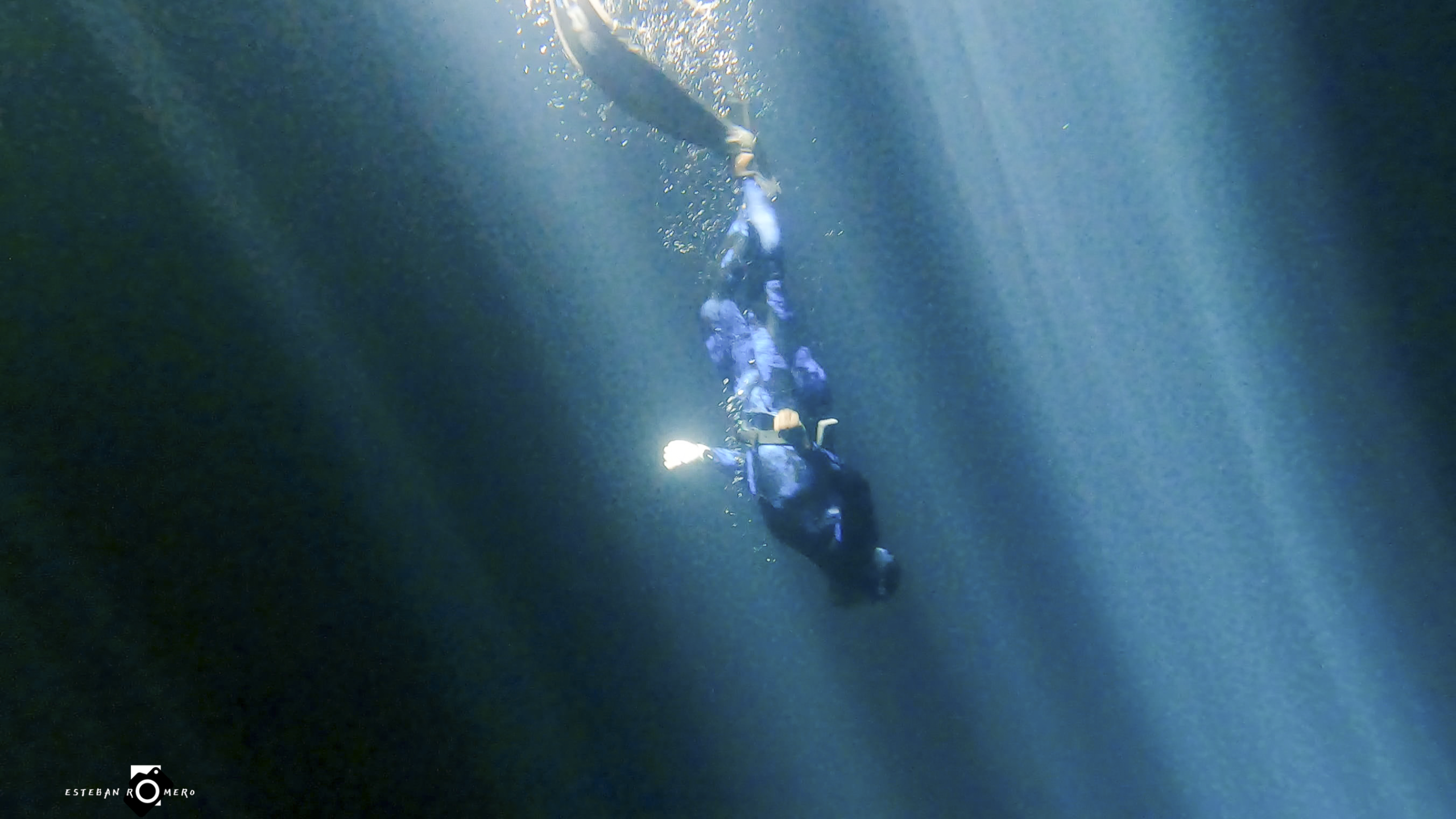
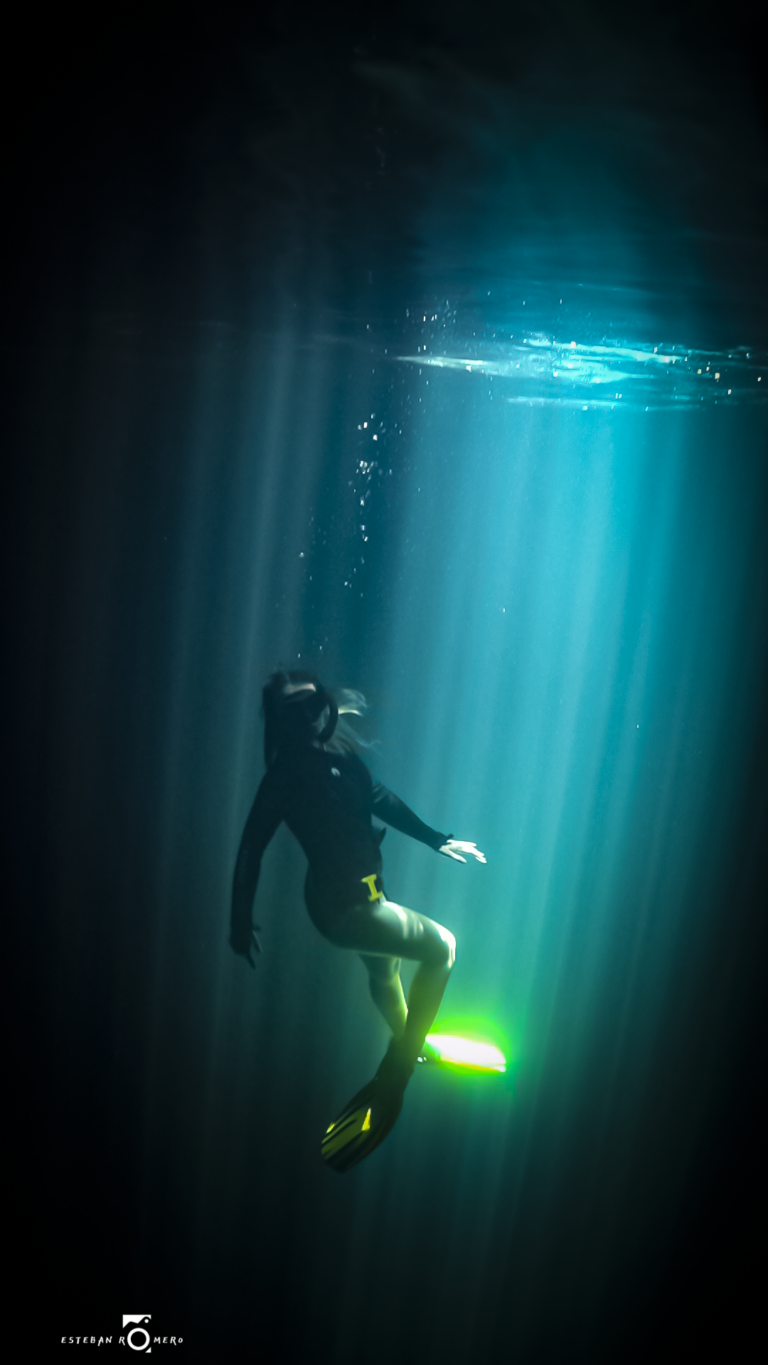
Descending beneath a beam of sunlight into clear freshwater can feel completely different from dropping down a line in the open ocean.
And yes, it also produces the kind of underwater photographs that make your friends immediately question their own vacation choices.
Is Cenote Freediving Good for Beginners?
It can be, depending on the location and the activity being offered.
Not every cenote is appropriate for every freediver. Depth, access, overhead environments and water conditions vary considerably.
Beginners should look for experiences specifically designed for recreational freediving or instruction rather than assuming that any cenote where people swim is suitable for deeper freediving.
A qualified local instructor or guide can choose an environment appropriate for your comfort and experience level.
Caribbean Freediving Trips
The Mexican Caribbean offers a completely different experience.
Instead of limestone walls and freshwater, you have open blue water, tropical reefs and the possibility of seeing marine life while exploring.
This is where freediving trips in Puerto Morelos can become particularly varied. You might spend one day practicing in open water and another exploring a reef or combining freediving with snorkeling.
Areas around Cozumel, Playa del Carmen and Cancún all provide access to marine environments, although conditions can differ significantly between locations.
Cozumel, for example, is famous for moving water. The island’s protected marine environment is open to recreational activities throughout the year, although visitors should respect conservation rules and reef-rest schedules.
This is also why local guidance matters. A beautiful stretch of ocean is not automatically an appropriate freediving site on any particular day.
Marine Life You May Encounter on Freediving Trips in Puerto Morelos
One of the most exciting parts of freediving is that wildlife encounters feel surprisingly natural.
Without the sound and bulk of scuba equipment, you can move quietly through the water and observe what is happening around you.
Depending on the destination, season and pure luck, marine life in the Mexican Caribbean can include:
Tropical reef fish
Sea turtles
Rays
Barracuda
Moray eels
Schooling fish
Crustaceans
Corals and other reef life
Wildlife should always be treated as wildlife rather than part of a guaranteed itinerary.
Some days the reef seems busy enough to require traffic lights.
Other days the ocean decides everyone is working from home.
That unpredictability is part of the experience.
What About Whale Sharks?
Whale sharks are one of the most famous seasonal wildlife attractions in the northern Mexican Caribbean.
Around Isla Mujeres and the surrounding region, whale sharks are commonly present during the warmer part of the year. Mexico regulates tourism around these animals, with the official observation and swimming season in the protected area running from May 15 through September 17. Regulations also prohibit physical contact with the animals.
This should be viewed as a regulated wildlife swimming experience rather than normal depth-focused freediving.
If seeing whale sharks is one of your priorities, build your freediving trip around the appropriate season and use authorized operators.
Never plan a wildlife trip around the assumption that an animal will appear on schedule. The whale sharks apparently refuse to use Google Calendar.
Best Time for Freediving Trips in the Mexican Caribbean
There is no single perfect month because the best season depends on what you want to do.
The Mexican Caribbean can support water activities throughout much of the year, but weather, wind, rainfall and wildlife seasons change.
| Period | What to Expect | Best For |
|---|---|---|
| December–April | Generally popular dry-season travel period with comfortable conditions | Combining freediving with a Caribbean vacation |
| May | Warmer conditions and transition toward summer | Ocean activities and fewer winter crowds |
| June–September | Hotter, wetter period with seasonal marine-life opportunities | Travelers interested in summer wildlife experiences |
| October–November | Transition period with variable weather | Flexible travelers and mixed itineraries |
| Year-round | Cenote conditions are less directly affected by ocean waves | Cenote exploration and freshwater experiences |
The Atlantic and Caribbean rainy and tropical cyclone season officially runs from June through November, so travelers visiting during these months should keep their plans flexible and pay attention to local weather conditions.
That does not mean six months of nonstop storms. It simply means weather becomes a more important part of trip planning.
Combine Freediving With Other Adventures
One of the biggest advantages of planning freediving trips in Mexico is that the entire vacation does not need to revolve around one activity.
The Yucatán Peninsula makes it easy to mix underwater exploration with other experiences.
You could combine freediving with:
Scuba diving
Snorkeling
Cenote exploration
Underwater photography
Beach days
Local food experiences
Mayan archaeological sites
Jungle excursions
Wellness experiences
Dance and nightlife
This works especially well for couples or groups where not everyone has the same experience level.
One person might want a serious freediving session while another would rather snorkel, explore a town or spend a few hours doing absolutely nothing beside the water.
A good trip should have room for both.
Choosing the Right Freediving Trip
Before booking anything, think about the experience you actually want.
Do not choose a trip simply because the photos show someone hovering dramatically over very deep blue water.
Ask yourself:
What is my current level?
Be realistic about your experience and comfort in open water.
Do I want training or exploration?
Some travelers want to improve depth and technique. Others mostly want access to interesting underwater environments.
What type of water interests me?
Ocean reefs and freshwater cenotes feel completely different.
Is marine life important?
If wildlife is a priority, season and destination become more important.
How active do I want the vacation to be?
You can create a training-heavy freediving trip or a relaxed adventure vacation with several freediving days.
Both count.
Custom Freediving Trips in Puerto Morelos
Pre-built tour packages are convenient, but they are not always ideal for travelers who want several different experiences.
That is where a customized itinerary becomes useful.
With MExplor Custom Camp, your trip can be organized around your interests rather than forcing your vacation into a fixed schedule.
A custom adventure can combine freediving with experiences such as cenotes, snorkeling, scuba diving, photography, cultural excursions and other activities around the Mexican Caribbean.
It also gives you more freedom to choose the pace.
Maybe you want a week heavily focused on the water.
Maybe you want two freediving days, a cenote adventure, a reef excursion and enough free time to remember that you are technically on vacation.
The point is that the trip fits you—not the other way around.
Frequently Asked Questions About Freediving Trips
Do I need freediving certification to join a freediving trip?
Not always. Some experiences are designed for beginners and can include introductory instruction. More advanced or depth-focused activities may require previous training or certification.
Always check the requirements for each activity before booking.
Can beginners freedive in cenotes?
Yes, certain cenote experiences may be appropriate for beginners when conducted in suitable locations with professional supervision. Cenotes differ significantly in depth and layout, so the site should match your experience.
Is Mexico good for freediving?
Yes. Mexico combines Caribbean ocean environments, coral reefs, marine life and the cenotes of the Yucatán Peninsula, creating several very different freediving experiences within one destination.
What is the best time of year for freediving in Mexico?
It depends on your goals. The Mexican Caribbean supports water activities across much of the year, while particular wildlife encounters and weather patterns are seasonal.
If whale sharks are a priority in the northern Mexican Caribbean, the regulated season runs from May 15 through September 17.
Can I combine freediving and scuba diving on the same vacation?
Absolutely. Many destinations in the Mexican Caribbean provide access to snorkeling, scuba diving, freediving and cenote experiences, making it easy to create a mixed underwater itinerary.
What happens if the weather is bad?
Ocean activities may need to be rescheduled when wind, waves or storms make conditions unsuitable. Building flexibility into your itinerary allows alternative activities or cenote experiences to be considered when appropriate.
Are freediving trips only for experienced athletes?
No. Recreational freediving can be approachable for beginners when introduced gradually and supervised properly. You do not need extreme breath-hold times or impressive depth numbers to enjoy being underwater.
Turn Your Next Vacation Into a Freediving Adventure
The best freediving trips are not simply about going deeper.
They are about experiencing a destination differently.
You notice the water more. You become more aware of your breathing. You explore places hidden beneath the surface and often end up seeing parts of a destination that ordinary travelers never experience.
In Mexico, that could mean floating above a Caribbean reef one morning and descending into the clear freshwater of a cenote the next.
And your entire vacation does not need to revolve around chasing depth records.
With MExplor Custom Camp, you can build an adventure around your experience level, interests and preferred pace, combining freediving with the other activities that make the Mexican Caribbean worth exploring.
Ready to create your own freediving trip? Contact MExplor and start building a Custom Camp designed around the underwater experiences you actually want to have.
Also you are interested
Dive into Adventure: Get Scuba Certified in Sunny Cancun!
Unlock ocean secrets with scuba certification in Cancun!
Bull Shark
Bull shark Bull shark 3,500 MXN Don´t miss out our very special dives with the bull sharks.The season begin in december and end in march. Unique , adventurous , unforgettable… BOOK NOW BULL SHARK DIVING PLAYA DEL CARMEN BULL SHARK SEASON PLAYA DEL CARMEN The bull sharks aren’t always in and around Playa del Carmen they are only in the shallows between November and March. So make sure you plan your dive if you want to see them. The species is mainly found along coasts and within rivers all over the world, so it is no wonder that bull sharks choose the waters off the city

Cenote diving Yucatan, exploring the mysteries of the underwater world
Plunge into the Yucatan’s watery wonders: cenote diving!
