

Mexico’s Yucatán Peninsula is home to one of the most extraordinary underwater environments on the planet. Beneath the tropical jungle of the Riviera Maya, thousands of natural sinkholes reveal a fascinating world of crystal-clear freshwater, limestone formations, and mysterious underwater passages.
Cenote scuba diving offers an experience unlike traditional ocean diving. Instead of colorful coral reefs and open Caribbean waters, we enter an ancient geological environment where sunlight creates spectacular underwater scenes and every dive reveals something different.
At MExplor, we love exploring the cenotes of the Mexican Caribbean and sharing these incredible environments with travelers who want to experience a different side of Mexico.
Whether you’re interested in underwater photography, unique geological formations, or discovering the natural wonders of the Yucatán Peninsula, cenote scuba diving can become one of the most memorable adventures of your trip.
What Is Cenote Scuba Diving?
Cenotes are natural sinkholes formed when limestone bedrock collapses or erodes, exposing groundwater beneath the surface.
Over thousands of years, these geological processes have created an extensive network of freshwater pools, submerged passages, and underground caves throughout the Yucatán Peninsula.
Today, many cenotes provide spectacular environments for recreational and technical divers.
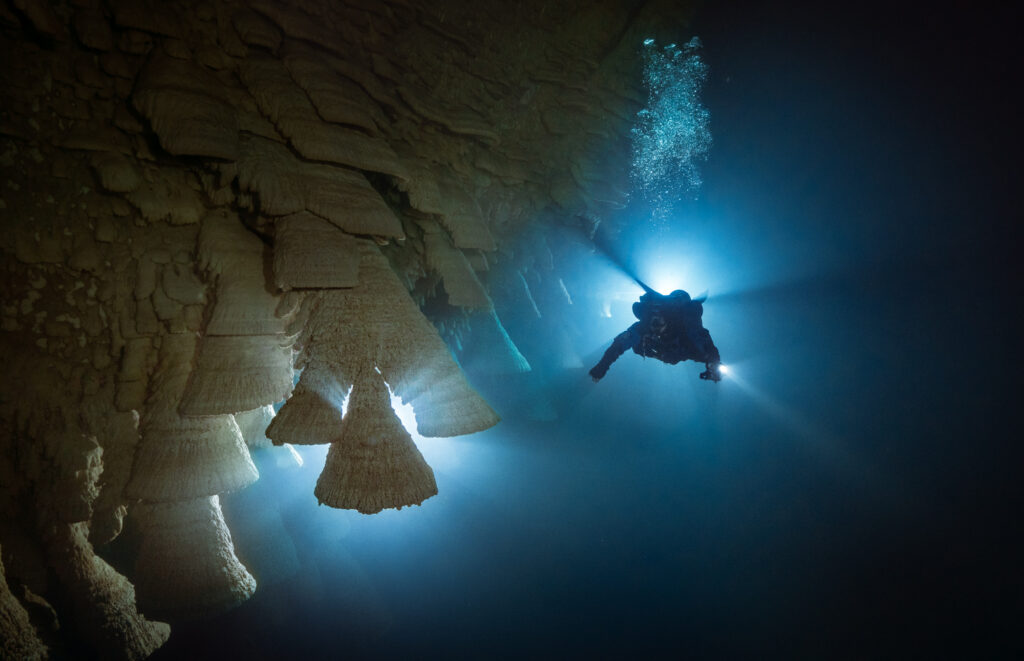
Unlike ocean diving, cenote scuba diving often takes place in freshwater with remarkable visibility. The underwater landscapes feature limestone walls, stalactites, stalagmites, and incredible natural light effects.
One of the things we enjoy most about exploring cenotes is the atmosphere. The quiet freshwater environment, dramatic rock formations, and light filtering through the jungle create a completely different diving experience.
Each cenote has its own characteristics, making every underwater adventure unique.
Why Experience Cenote Scuba Diving in the Riviera Maya?
The Riviera Maya is one of the world’s most recognized destinations for cenote diving, offering access to a wide variety of freshwater environments near Playa del Carmen, Tulum, and Puerto Morelos.
When we explore the cenotes, we discover a fascinating combination of nature, geology, and underwater adventure.
Some of the main reasons to experience cenote scuba diving in Mexico include:
Exceptional underwater visibility in many cenotes.
Beautiful limestone formations created over thousands of years.
Spectacular sunlight entering through natural openings.
Unique underwater photography opportunities.
Access to different cenotes with distinct geological features.
The opportunity to experience freshwater diving in a tropical destination.
We especially enjoy how different cenote diving feels from exploring the coral reefs of the Caribbean Sea.
In a single vacation, divers can experience both the vibrant marine ecosystems of the ocean and the quiet underground landscapes of the Yucatán Peninsula.
Best Cenotes for Scuba Diving Near Playa del Carmen and Tulum
One of the biggest advantages of cenote scuba diving in the Riviera Maya is the variety of dive sites available.
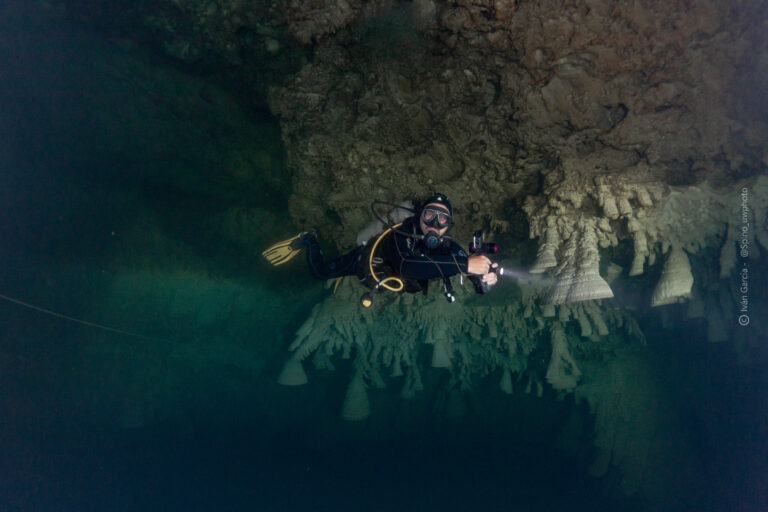
Each cenote offers a different experience, from beautiful natural light displays to impressive underwater geological formations.
Cenote Dos Ojos
Cenote Dos Ojos is one of the most famous cenote diving locations in Mexico.
Located north of Tulum, this extraordinary freshwater system is known for its exceptional visibility and intricate limestone formations.
During guided cavern dives, certified divers can explore designated routes while observing the unique geological features that make Dos Ojos so remarkable.
For underwater photographers, the contrast between freshwater clarity, rock formations, and natural light creates incredible photographic opportunities.
Cenote Chac Mool
Cenote Chac Mool is another fascinating location for cenote scuba diving near Playa del Carmen.
This cenote is especially recognized for its impressive sunlight effects, underwater rock formations, and beautiful freshwater environment.
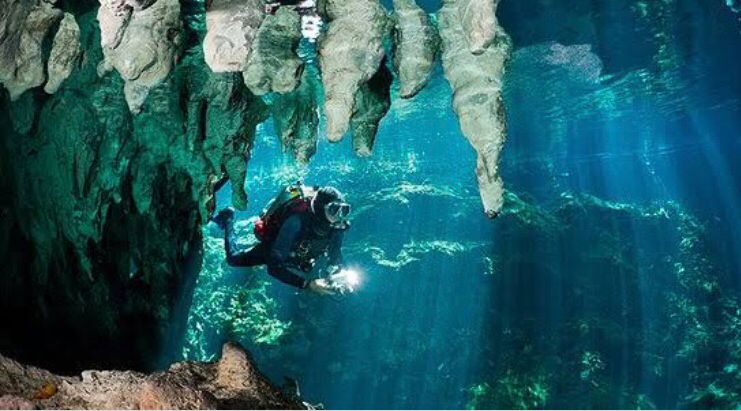
Depending on the season and time of day, sunlight entering the cenote can create dramatic beams of light that illuminate sections of the underwater landscape.
We particularly appreciate these conditions when capturing underwater photography and video.
Cenote El Pit
Cenote El Pit is known for its remarkable depth and dramatic underwater environment.
One of its most famous characteristics is the impressive column of sunlight that can penetrate deep into the water when conditions are favorable.
The cenote also features a hydrogen sulfide cloud at depth, creating an unusual underwater visual effect.
Due to its depth and dive profile, El Pit is best suited to appropriately qualified and experienced divers.
Cenote Tajma Ha
Tajma Ha offers beautiful limestone formations, submerged passages, and striking light effects.
This cenote is particularly interesting for divers who appreciate geological environments and want to explore a different underwater landscape.
Its cavern routes require appropriate certification, equipment, professional guidance, and suitable conditions.
At MExplor, we believe that selecting the right cenote according to each diver’s abilities is essential for a rewarding and responsible underwater experience.
What Makes Cenote Scuba Diving Different From Ocean Diving?
Both ocean diving and cenote diving offer extraordinary underwater experiences, but the environments are very different.
In the Caribbean Sea, we enjoy discovering colorful reefs, tropical fish, sea turtles, rays, and vibrant marine ecosystems.
During cenote scuba diving, the focus shifts toward underwater geology, freshwater environments, and natural light.
One of the biggest differences is the absence of waves and ocean currents in many cenotes. However, calm-looking water does not mean cenote diving is risk-free.
Underwater overhead environments present special challenges, including limited access to the surface, navigation requirements, and the possibility of reduced visibility.
We always emphasize the importance of understanding the environment and choosing dives that match your certification and experience.
Another interesting characteristic is the halocline, which can occur where freshwater and saltwater meet.
When we pass through this layer, the difference in water density can create a fascinating visual distortion.
For photographers and underwater explorers, these unique characteristics make cenote diving an unforgettable experience.
Cenote Scuba Diving for Beginners: What You Need to Know
One of the most common questions we hear is whether beginners can experience cenote scuba diving in Mexico.
The answer depends on the cenote and the type of dive.
Some open-water areas of cenotes may be suitable for introductory scuba experiences conducted by qualified professionals under appropriate conditions.
However, guided cavern diving generally requires an appropriate recreational diving certification, while technical cave diving requires specialized training.
We recommend that first-time divers begin with a suitable introductory experience or an open-water certification course before considering more advanced cenote environments.
For certified recreational divers, certain designated cavern routes may be accessible with a qualified cavern guide, subject to local requirements and an individual assessment.
At MExplor, we believe that enjoying the underwater world starts with proper preparation, realistic expectations, and respect for the environment.
Underwater Photography During Cenote Scuba Diving
For underwater photographers, cenotes offer some of the most visually striking environments in Mexico.
Unlike coral reef photography, where colorful marine life often becomes the main subject, cenote photography focuses on natural light, shapes, textures, and composition.
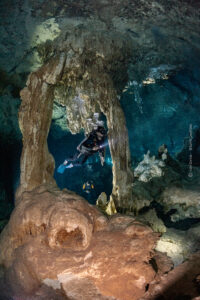
We love photographing the silhouettes of divers against beams of sunlight, the intricate details of limestone formations, and the beautiful contrast between darkness and illuminated freshwater.
Some of our favorite photographic opportunities include capturing:
Sunlight entering through natural openings.
Divers surrounded by dramatic underwater landscapes.
Reflections near the water’s surface.
Unique geological textures and formations.
The interaction between light, shadow, and crystal-clear water.
Underwater photography in cenotes requires careful preparation, appropriate equipment, and excellent buoyancy control.
Protecting the delicate environment is always more important than getting a particular photograph.
Discover Cenote Scuba Diving With MExplor
At MExplor, we enjoy creating personalized experiences that allow travelers to explore the natural wonders of the Mexican Caribbean.
Our diving adventures can combine different underwater environments throughout the Riviera Maya, allowing visitors to discover both the Caribbean Sea and the extraordinary freshwater cenotes.
Depending on your interests and experience, a customized diving itinerary may include cenote scuba diving, coral reef exploration, underwater photography, and visits to other incredible locations.
We also offer MExplor Dive Camp experiences that combine accommodation, breakfast, and transportation, making it easier to enjoy a complete diving adventure.
Our goal is to create meaningful experiences where travelers have the opportunity to discover beautiful destinations, develop their underwater skills, and connect with nature.
Whether you’re visiting Playa del Carmen, Puerto Morelos, or Tulum, we can help you explore the diversity of the Riviera Maya through personalized diving experiences.
When Is the Best Time for Cenote Scuba Diving in Mexico?
One of the advantages of cenote scuba diving is that many cenotes can be explored throughout the year, depending on local access and environmental conditions.
Unlike ocean diving, cenotes are generally less affected by surface waves.
Freshwater temperatures often remain around 24°C to 26°C, although conditions vary between locations.
Natural light also plays an important role in the diving experience.
Depending on the cenote, the time of day and season can significantly influence how sunlight enters the water.
For photography enthusiasts, choosing the right conditions can make an enormous difference in the images we capture.
Rainfall may also affect visibility or access in certain cenotes, so checking local conditions before diving is essential.
Protecting the Cenotes of the Yucatán Peninsula
The cenotes are part of a delicate natural environment connected to the underground freshwater systems of the Yucatán Peninsula.
These ecosystems are important for local biodiversity and the region’s water resources.
When we visit cenotes, we believe it’s essential to respect their natural beauty and minimize our environmental impact.
Responsible diving practices include maintaining neutral buoyancy, avoiding contact with fragile rock formations, following established routes, and respecting local conservation rules.
We also encourage visitors to avoid leaving waste and to follow the environmental guidelines established at each location.
By exploring responsibly, we can help preserve these extraordinary underwater environments for future generations.

Plan Your Cenote Scuba Diving Adventure in Mexico
Few experiences compare to descending into the crystal-clear freshwater of a Mexican cenote and discovering an underwater landscape shaped by nature over thousands of years.
From the incredible light beams of Cenote El Pit to the geological formations of Dos Ojos and the beautiful cavern environments near Playa del Carmen, cenote scuba diving offers an extraordinary way to discover the Yucatán Peninsula.
At MExplor, we want to share our passion for underwater exploration through personalized adventures that combine nature, diving, photography, and the beauty of the Mexican Caribbean.
Whether you’re a certified diver looking for a new experience or a traveler interested in discovering the fascinating world beneath the Riviera Maya, we can help you explore your options.
Discover cenote scuba diving in Mexico with MExplor and experience the hidden underwater beauty of the Riviera Maya.
Visit mexplor.co to discover our diving experiences, personalized Dive Camps, and underwater adventures.
